If you wrench on trucks long enough, you learn fast that chevrolet truck parts are not all built the same, even when the box says they fit. Some pieces bolt on clean and live a long time. Some are cheap enough to make sense only once, and some will have you back under the truck three weekends later cussing a sensor, a seal, or a bracket that was off by a hair. I see that most with old C10s, OBS rigs, GMT800 trucks, and half-worn daily drivers that still need to haul, tow, or get a family across town without drama.
The trick is knowing where to spend, where to save, and when to buy the part that nobody on the internet wants to admit is worth the money. That matters whether you are chasing a full restoration, patching a work truck, or just trying to keep the thing on the road without turning your garage into a parts graveyard.
Start with the truck you actually own
A square-body pickup does not need the same parts strategy as a 2018 Silverado, and that sounds obvious until you watch somebody order by year alone and wonder why the brake hose is wrong or the alternator plug does not match. With chevrolet truck parts, the generation matters more than the badge on the grille. A 1973 C10, a 1994 C1500, and a 2006 Silverado all share the same brand identity, but the details are where the money goes to die if you guess.
For older trucks, I always start with the basics: brake hardware, steering joints, water pump, belts, hoses, fuel delivery, and ignition pieces. If the truck is a weekend toy, you can live with a few cosmetic imperfections. If it is a tow rig or a snow-season driver, you want parts that are built around heat, vibration, and grime. That usually means spending a little more on hoses, bearings, and sensors than the bargain-bin listing wants you to.
The good news is that chevrolet truck parts are still easy to find compared with a lot of other stuff from the same era. The bad news is that easy to find does not mean easy to trust.
OEM, aftermarket, and salvage-yard parts without the sales pitch
I like OEM or GM Genuine pieces when the job is electrical, emissions-related, or buried deep enough that you do not want to revisit it. A crank sensor, throttle body part, or module is not where I gamble unless the aftermarket brand has already proven itself. ACDelco usually stays in the conversation for that reason. For steering and suspension, Moog and Timken have both earned their keep in my shop more than once, and Gates is still a safe bet for belts and hoses.
Aftermarket makes sense when the original design was weak or when the part is simple and repeatable. Dorman gets a lot of hate online, but some of their brackets, clips, housings, and repair pieces are exactly what keeps a truck from sitting another month while you hunt a discontinued factory part. That is not the same thing as saying every Dorman box is gold. It is not. But if you know what category you are in, you can make a smart call instead of a loud one.
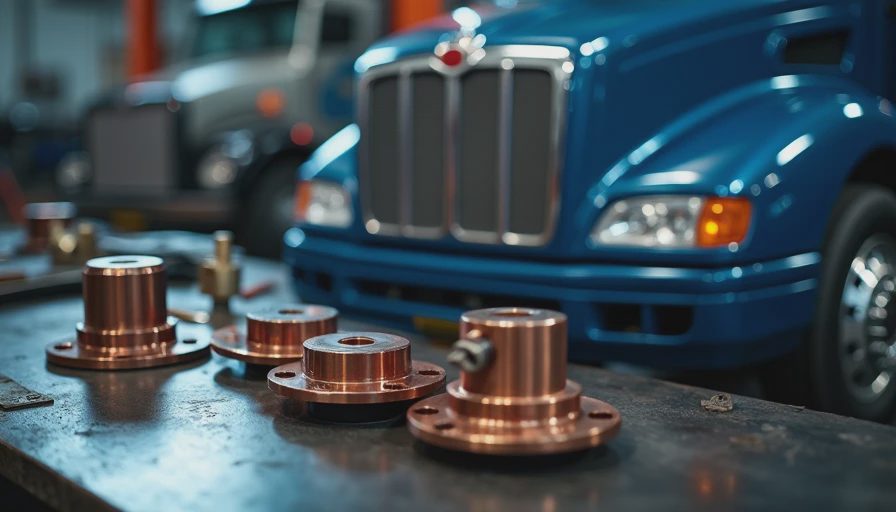
Salvage yards still matter too. On older GM trucks, a used door latch, seat track, gauge cluster, or trim piece can beat a brand-new reproduction that looks right from ten feet away and feels wrong in your hand. I have pulled solid used parts from donor trucks that saved a customer a few hundred bucks and a week of waiting. That is real money when the truck is already apart.
Where cheap parts bite you first
The bargain parts that cause the most trouble are the ones you do not notice until they fail under load or after a heat cycle. Cheap wheel bearings get noisy early. Weak ignition coils make you chase a misfire that comes and goes. Soft brake rotors warp fast on a half-ton that sees a trailer or a lot of city braking. And a no-name fuel pump can leave you parked in a grocery lot with a tank full of gas and no clue why the truck suddenly quit.
That is why I tell people to think in systems, not individual boxes. If the front end is loose, replacing one ball joint with a premium part and the rest with junk is a false economy. If the cooling system is tired, a new radiator does not help much if the hoses are swollen and the thermostat is sticking. With chevrolet truck parts, the cheapest path usually costs more because you pay twice: once for the part and again for the teardown.
On a work truck, that matters even more. Downtime can cost more than the part itself. If a $42 sensor saves a truck from missing a job, the math is pretty simple.
The parts I refuse to cheap out on
There are a few places where I stop being flexible. Brake hydraulics are one. Wheel bearings and hub assemblies are another. Cooling pieces that sit in constant heat, like water pumps and thermostats, also deserve a real brand. On fuel-injected trucks, I do not like gambling on sensors that feed the computer bad information. A truck can run ugly for a while, but bad brakes or a failed bearing is how you turn a weekend repair into a tow bill.
I also pay attention to fitment details that the parts catalog sometimes glosses over. A two-wheel-drive half-ton and a four-wheel-drive truck may use different front-end parts even when the engine is the same. Cab size, bed length, axle ratio, towing package, and engine family can all change the right answer. That is why a VIN search is worth doing before you order anything expensive.
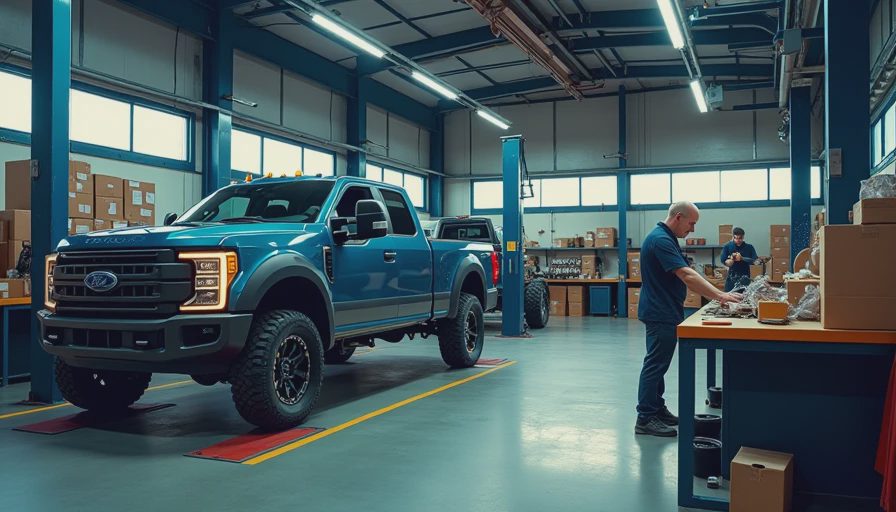
If you are building on a budget, spend the money where failure puts you on the shoulder. Save on trim, clips, emblems, and some interior pieces. Those are the places where reproduction chevrolet truck parts can do a fine job without making your truck less safe or less reliable.
How to order the right part the first time
The best habit I know is to verify the part number before you click buy. Use the VIN when you can, then check the engine code, axle code, and brake package. On older GM trucks, casting numbers and connector shape can save you from a bad guess. If a seller does not show enough photos to let you compare connectors, bolt spacing, and sensor style, I keep scrolling.
For anything that is hard to reach, buy once and buy decent. A thermostat housing or a belt tensioner is not where you want to save ten bucks and lose a Saturday. For easy-to-swap items like emblems, handle bezels, interior switches, or weatherstripping, a good reproduction is often the smart move. That is where chevrolet truck parts can be both practical and affordable if you shop with a wrench in one hand instead of a credit card in the other.
I also tell people to compare return policies before they order. A small parts house that answers the phone can beat a huge warehouse that leaves you guessing. If the box shows up wrong, you want a human who knows the difference between a 1500 and a 2500, not a chatbot reading from a script.
A simple way to spend less and still build right
Here is how I usually break it down in the shop. First, make the truck safe and drivable. That means brakes, tires, steering, charging, cooling, and anything that keeps it from leaking, wandering, or overheating. Second, fix the parts that strand you. Fuel pumps, ignition components, and sensors belong in that group. Third, chase the nicer stuff like trim, lighting, and cosmetic pieces once the truck has earned the right to be pretty.
That order keeps the budget honest. It also keeps the project moving, which is half the battle. Too many trucks get stalled because somebody spent the whole budget on shiny parts and ignored the stuff that actually makes the thing work. I would rather see a clean-running driver with a couple of scuffed panels than a perfect shell with dead brakes and a bad charging system.
If you are sorting through chevrolet truck parts for a restoration, a tow rig, or a daily driver, start with the truck’s job, then match the quality to that job. That is how you keep a GM truck on the road without wasting money on the wrong box.