Every car rides on springs. Springs smooth out the bumps, but they'll bounce forever without a shock absorber to control them. That part wears out, just like brake pads. At some point you'll need to replace it. Here's how to tell when a shock absorber replacement is due, what it costs, and whether you can handle it in your own garage.
I'm Wayne, and I've spent 17 years on a dealership floor plus my own three-bay shop. I've swapped more shocks than I can count. Most drivers ignore them until the car lumbers like a boat. You don't need to let it get that far. A worn set changes the way a car brakes, corners, and feels at highway speed.
How Can You Tell a Shock Is Going Bad?
The easiest test is the bounce test. Press down on the bumper over one corner and let go. A good shock absorber should settle in one firm movement. If it rocks two or three times, the valving is gone. The car will feel floaty, dive hard under braking, and wander in crosswinds.
Other signs to look for:
- Oil or a wet film leaking from the shock body
- Tire tread that looks cupped or scalloped on the edges
- Clunks or rattles when turning into a driveway
- Excessive body roll on an off-ramp
At around 60,000 miles, most factory units are past their prime. Some last longer, but don't count on it.
Take a look under the car at the shock absorber boot. If it's cracked and the shaft is shiny near the top, the seal is leaking. That means it's time to replace it. There is no practical rebuild for street cars. You just swap the whole unit.
Shock vs Strut: Know What's Under the Car
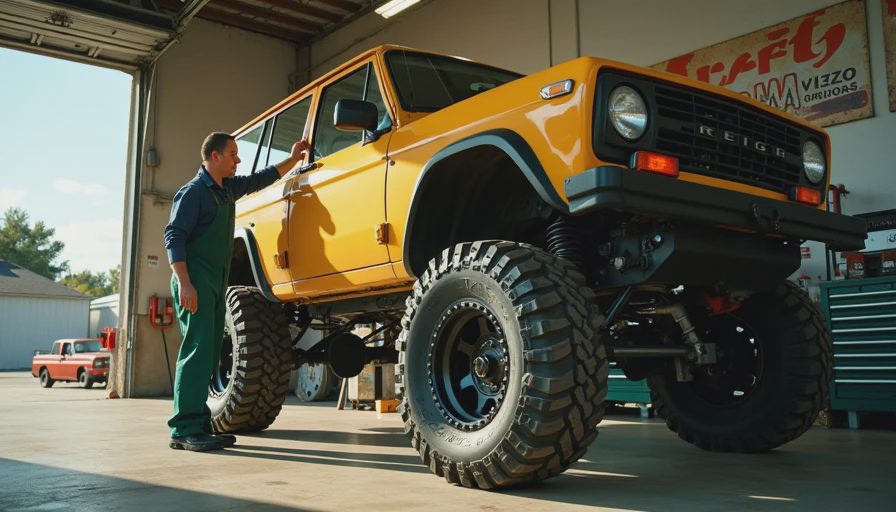
Before you buy parts, know the layout. A traditional shock absorber is separate from the coil spring. You'll find this on many trucks and full-frame SUVs. The job is straightforward: unbolt the top, unbolt the bottom, install the new unit.
A strut is different. The spring sits on the strut housing, and the assembly often holds the steering knuckle. If you buy a quick-strut assembly with the spring already compressed, the job is no harder than a standard shock swap. Spend the extra money. Renting a spring compressor and wrestling a loaded spring is not worth the forty bucks you save.
What Does Shock Absorber Replacement Cost?
Let me give you real numbers. A decent aftermarket shock absorber runs $40 to $90 each for a typical car. Premium brands like Bilstein or Koni sit between $120 and $180 each. Add labor if you're paying a shop: usually $60 to $150 per corner. A full axle with parts and labor lands between $300 and $700 for most vehicles.
Exceptions exist. Heavy-duty trucks with rear air suspension can push past $500. Import cars with electronic dampers cost more because the sensors and wiring are pricey. And rust can double labor time. Still, the bill is often less than the cost of a new set of tires worn out by bad shocks.
DIY or Shop: What I'd Do
If you've changed your own brake pads, you can handle this. You'll need jack stands, a floor jack, hand tools, and penetrating oil. Plan on two to four hours for the front axle. Air tools help but aren't required. Use a torque wrench on the mounting bolts.
The biggest enemy is rust. In the salt belt, bolts can seize. Soak them overnight before you start. If you snap one, extraction is a pain, and a two-hour job becomes a weekend. If that doesn't sound like fun, let a shop do it.
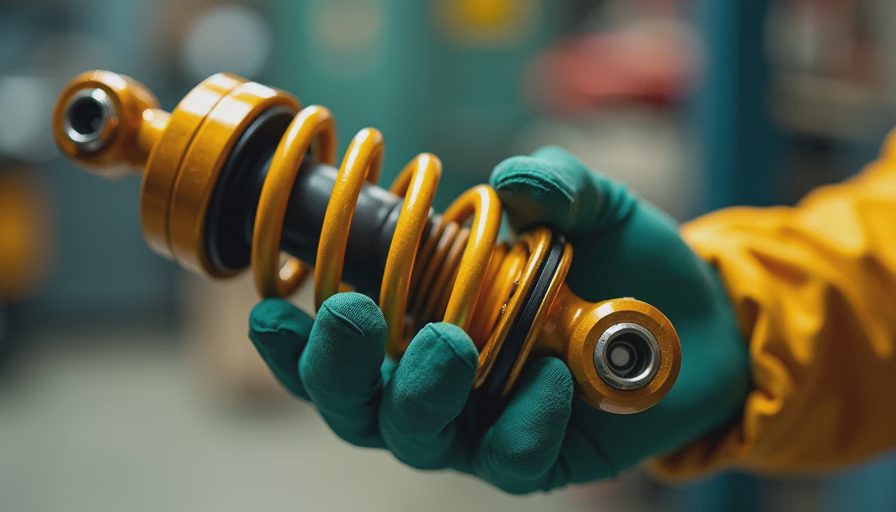
If you're doing it yourself, check the service manual for torque specs. Inspect the top mounts and bump stops while everything is apart. They're cheap to replace now and a hassle to reach later.
Best Shocks to Buy by Use
For a daily driver, Monroe and KYB are solid picks. They ride close to factory and won't empty your wallet. For a sports sedan or a car with high mileage, Bilstein is worth the money. Koni is also good if you want adjustable firmness.
Stay away from mystery no-name parts. A bargain-bin shock may feel fine for a week, but the damping fades quickly. You'll be under the car again. Pay the extra twenty or thirty bucks per corner.
If you tow or haul, get a gas-charged unit. It fights brake dive and keeps the rear stable. Pickup trucks that actually work for a living need that.
Don't Stop at the Shocks
When the shocks are done, check the control arm bushings and sway bar links. Worn shocks often hide other suspension problems. Once the new parts are in, any remaining clunks will make themselves known. That's normal. Fix them too.
If the car pulled to one side before, get the alignment checked after the swap. It's not always necessary, but it's cheap insurance.
My verdict: don't put off the shock absorber replacement. Worn ones increase stopping distance, ruin tires, and make a good car feel old. A pair of quality units is affordable. And if you have a free Saturday and a few basic tools, this is one of the most satisfying jobs you can do in the garage.