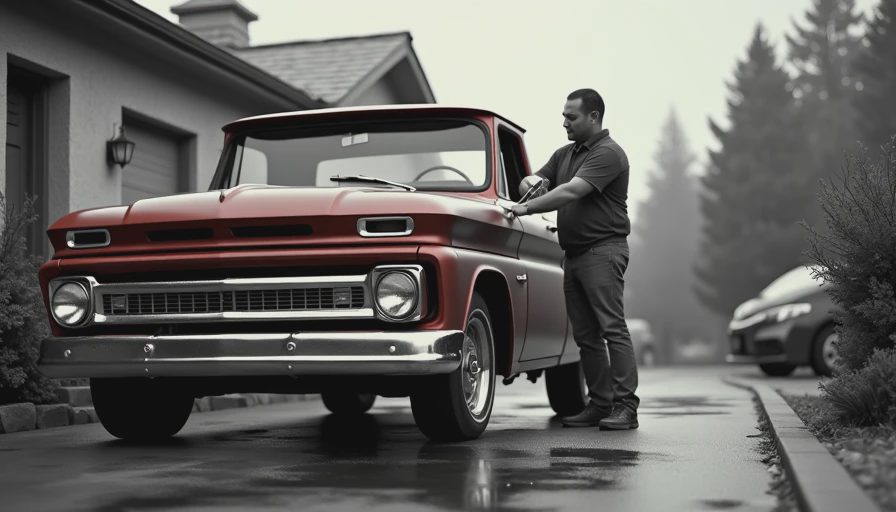
The c10 chevrolet pickup is one of those trucks that keeps showing up in shop gossip, swap meet parking lots, and late-night auction searches for a reason. It is simple enough to wrench on, common enough to find parts, and old enough that the good ones still feel honest. If you want a classic truck you can actually use, not just stare at in the driveway, this platform still makes sense. The trick is knowing which rust, which drivetrain, and which half-finished repairs are worth your money.
A clean c10 chevrolet pickup with straight sheet metal and a decent drivetrain can still be a solid buy, but the wrong one will eat your weekend and your wallet at the same time. I have seen cheap projects turn into $15,000 invoices fast once cab corners, brake lines, and a tired cooling system all show up at once. That is why you want to shop with your flashlight on and your ego parked outside.
What You Are Really Buying
The C10 name gets used pretty loosely, but most people mean a half-ton two-wheel-drive Chevrolet pickup from the 1960 through 1987 run. A lot of buyers are really after the square-body years from 1973 to 1987 because the parts support is huge and the lines still look right. Short bed trucks bring more money than long beds, and fleetside beds usually bring more than a stepside unless the stepside is especially clean.
A c10 chevrolet pickup with original paint, a straight bed, and a truck that starts cold without drama is a different animal from a shiny one with fresh rocker patch panels hiding bad metal. Driver-quality trucks often live in the low five figures. Nice originals and tidy restorations can climb much higher, especially if somebody already spent the money on paint, brakes, and an overdrive transmission. A rough project can still be had cheaper, but once you start replacing every worn system, the bargain disappears in a hurry.
Where Rust Hides And Why It Costs More Than You Think
Rust is the tax on old steel, and this truck pays it in the usual spots. Cab corners, rockers, lower front fenders, bed floors, rear cab mounts, and the lower windshield channel are the first places I check. On trucks that lived near salt, I also want to see the frame around the steering box, the front spring hangers, and the area behind the rear wheels. A shiny paint job does not tell you much if the lower structure was patched with thin sheet and body filler.
I have watched guys buy a truck with a pretty cab only to find the floor supports were gone and the doors sagged so bad they had to be slammed. By the time you buy patch panels, metal, welding gas, grinding discs, and pay for hidden labor, that cheap truck can cost more than a cleaner one would have from the start. If the bed wood, tailgate, and inner wheel tubs are solid, that is a good sign. If the bottom of the tailgate looks like lace, assume the rest of the truck has been eating rust too.
Engines And Transmissions That Still Make Sense
The old small-block Chevrolet is still the easy button here. A 350 with a Q-Jet or a simple four-barrel is cheap to live with, and parts are everywhere. A 305 will run fine, but nobody gets excited about one. A big-block can be fun if the truck is built for it, yet it adds heat, weight, and fuel burn that most weekend drivers do not need. If you want a dependable cruiser, a stock or mild small-block with a good radiator, a mechanical fan that actually works, and clean fuel delivery is plenty.
The transmission matters just as much. A TH350 is tough and simple, but an overdrive automatic like a 700R4 makes highway driving easier and drops engine speed enough that the truck feels less busy at 65 mph. Manuals are great if you want that old-truck feel, but a worn clutch linkage and sloppy shifter can get old fast in traffic. When I inspect a c10 chevrolet pickup, I care more about how the drivetrain was maintained than about whether the engine bay looks pretty. Fresh hoses, clean wiring, and a cooling system that has been thought through beat polished nonsense every time.
What To Inspect Before You Hand Over Cash
Start the truck cold if you can. Listen for lifter noise, rod knock, exhaust leaks, and a starter that groans like it has seen too many winters. Look for oil pressure when it is hot, not just the first second after start-up. Check for smoke on acceleration and after idling. Blue smoke usually means oil burning, black smoke points to fuel problems, and white smoke can mean coolant, depending on weather and how long the truck has sat.
Then test the stuff that costs real money. Brake pedal feel should be firm, not spongy. Steering should not have a baseball bat of free play before the tires react. Look at the tires for uneven wear, because that tells you a lot about alignment and worn suspension parts. Crawl under and check the frame, brake lines, fuel lines, and spring hangers. If the truck still has ancient rubber hoses and cracked bushings, budget for them right away. A c10 chevrolet pickup can hide a lot of neglect in plain sight, but the steering wheel, pedal feel, and underside usually tell the truth fast.
How To Build One Without Lighting Money On Fire
The smart money goes into safety and drivability first. Brakes, tires, wheel bearings, hoses, belts, cooling, ignition, and fuel system cleanup should come before fancy wheels or a high-dollar paint job. That is boring advice, but boring trucks are the ones that make it home. A decent set of discs up front, fresh master cylinder parts, and a proper dual-reservoir setup are money well spent if the truck still has old hardware hanging under it. Add a good alternator, reliable wiring repairs, and a radiator that can handle traffic, and the whole truck feels younger.
This is also where parts support saves the day. LMC Truck, Classic Industries, RockAuto, and Summit Racing all carry enough square-body parts that you do not need to invent solutions for every problem. Some parts are cheap enough to replace instead of chasing old ones forever. Window seals, door weatherstrip, brake hardware, ignition pieces, and suspension bushings are all easier to renew than to argue with. Once you get the basics sorted, a c10 chevrolet pickup stops feeling like a project and starts feeling like a truck again.

Why The Right One Still Feels Good On The Road
People forget how good these trucks can feel when the steering is tight, the suspension is fresh, and the engine is tuned right. No, it will not ride like a new Silverado. But a sorted C10 has good visibility, a natural driving position, and enough character to make a short trip feel like a real outing. Add power steering, front disc brakes, and an overdrive gear, and you take most of the old annoyance out of the equation.
The best part is that you can still do a lot of the work yourself. That matters. It is one thing to own a classic because it looks cool in pictures. It is another thing to own one because you can tune it, fix it, and actually trust it on a Friday night run for parts. A c10 chevrolet pickup that is honest, solid, and mechanically simple is still one of the better old-truck bets out there. If you find one that checks the right boxes, do not overthink it too long. The clean trucks disappear faster than the rust buckets ever do.