You hear a clunk over every bump, and the front end feels loose. If you want to repair suspension car issues, you need to know what you're dealing with before you start throwing parts at it. I'm Wayne Callahan, a Detroit mechanic, and I've seen plenty of people spend $1,200 on a problem a $50 bushing would have fixed. This guide walks you through the parts, the costs, and the smart way to tackle the job.
There's no such thing as a quick suspension fix. Shocks and struts, control arms, ball joints, and tie rods are the usual suspects. Each has its own lifespan. A set of struts might last 50,000 miles; control arm bushings can go bad much sooner.
What Does It Really Cost to Repair Suspension Car?
If you hire a shop, a strut replacement runs $350 to $600 per corner. Control arms are $200 to $400 installed. Ball joints are about $150 to $250. Those prices climb fast in the salt belt, where bolts rust and labor hours balloon. Dealerships can charge almost double for the same parts. When you plan to repair suspension car, get a written estimate and ask if the diagnostic fee rolls into the repair. A good shop will apply it.
Labor rates matter too. Independent shops in my area charge around $90 to $130 an hour. A strut job should book between 1.5 and 2.5 hours per side. Control arms are similar. If a quote looks too low, ask what's included. Some shops quote just the shock absorber and tack on disassembly and assembly fees, which turns a $400 job into a $700 one. Read the estimate line by line.
Diagnose Before You Buy Parts
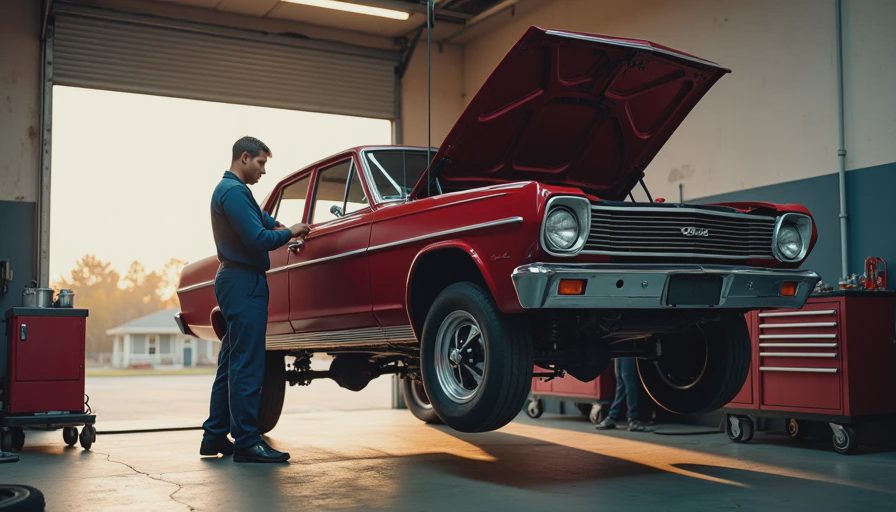
You can save real money by doing your own diagnosis. Park on level ground, push down on each corner, and let go. If the car bounces more than twice, the shock or strut is weak. Then get the car in the air on jack stands. Grab the wheel at nine and three o'clock and push and pull. Play means tie rod or wheel bearing trouble. Now grab it at twelve and six. Watch the ball joint. Any clunk or movement there means it's time to replace the joint before it fails on the road.
How to Repair Suspension Car Without a Mechanic
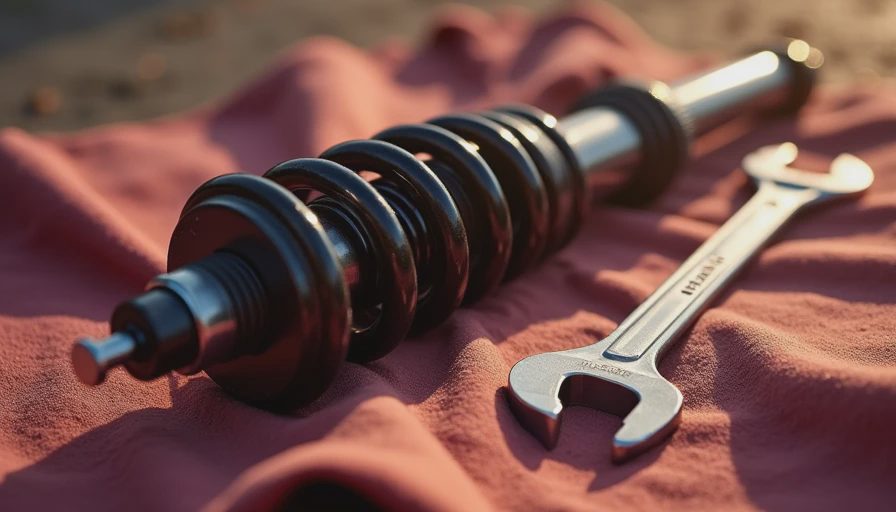
If you can change brake pads, you can handle a lot of suspension work. Quick-strut assemblies from Monroe or KYB come pre-compressed, so you just unbolt the old unit and bolt in the new one. Control arms are bolt-on too, though you'll need a torque wrench. Budget around $250 to $400 per axle for quality parts. You'll save $300 or more in labor. Just plan for a full Saturday.
If you decide to repair suspension car components yourself, keep safety first. Never get under a car on just a scissor jack. Use jack stands. And don't skip the wheel alignment after any suspension work. That's another $100 to $150, but it protects your tire investment. Skip it and you'll be back in 5,000 miles with uneven tire wear.
The Right Parts for the Job
Skip the no-name cheap parts online. I've seen control arms with bushings split in a year. Stick with Moog, AC Delco, KYB, or Bilstein. They cost a bit more, but they hold up. OEM is fine for newer cars, but for a 10-year-old daily driver, quality aftermarket parts are the sweet spot. Repair suspension car work isn't the place to save 20 bucks on parts you'll need to do again in 6 months.
Check the hardware, too. Many aftermarket parts come with new nuts and bolts. If they don't, buy them separately. Reusing a rusted or stretched bolt on a suspension joint is a mistake. It's a $2 part that can cost you a wheel if it snaps.
How to Keep the Cost Down
Buy parts online from RockAuto and find an independent shop willing to install them. You'll often save 20 to 30 percent versus the shop's parts counter. Call first and ask if they'll install customer-supplied parts. Also, ask about core charges on struts — some parts need the old one returned or you pay extra. And replace both sides at once. If one strut is blown, the other is close behind. Pairs save you a second alignment.
Another way to save is to check for recalls or extended warranty coverage. Some suspension components get covered by automaker programs, especially on trucks. A quick VIN lookup online can tell you. It's free to check, and it could save you hundreds. Also, look for rebates on name-brand struts. Monroe runs promotions a couple of times a year.
When to Call the Shop
Don't mess with a spring compressor if you've never used one. A loaded spring can take your hand off. Also, air suspension and electronic dampers need scan tools to reset. If your car has those, take it to a pro. Same if every bolt is rusted to the point where you're using a torch before you've even started. There's no shame in calling a shop. The trick is knowing where your skill level ends.
Now grab a flashlight, get under the car, and look at those bushings and boots. Figure out what's actually worn before you open your wallet. Whether you do the work or pay a mechanic, you'll go in knowing what it should cost. That's how you avoid the upsell. Your tires and your back will thank you.