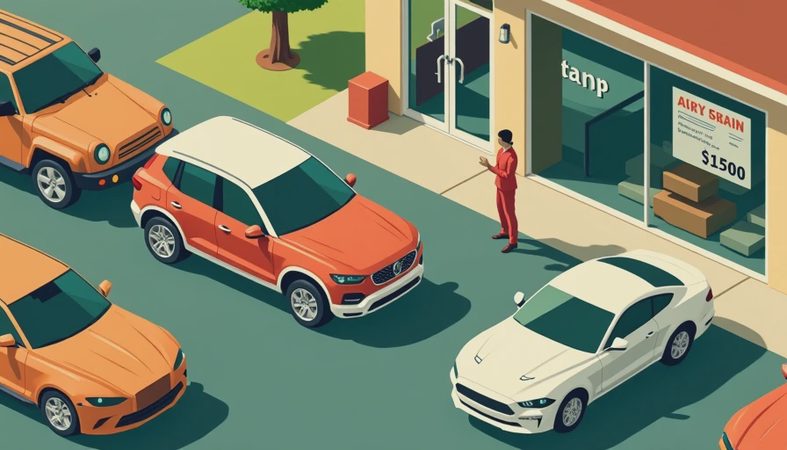
If your garage has turned into a museum of spare bumpers, factory wheels, and mystery boxes from three projects ago, it is time to figure out where to sell car parts. The right outlet depends on what you have, how quickly you want it gone, and whether you are willing to pack a 70-pound exhaust manifold for shipping. I have sold parts across a shop counter, at swap meets, through online listings, and straight out of a truck bed. Each method has a place. None of them are magic.
Start by Identifying What You Actually Have
Before posting anything, get the part on a workbench and identify it like a mechanic, not a hopeful seller. Find the casting number, stamped part number, vehicle application, manufacturer, and condition. A rusty "1969 Camaro intake" is a weak listing. A cleaned GM 3932472 intake with clear photos of the casting marks and a realistic application list gives a buyer something useful.
Separate original equipment parts from aftermarket replacements. Original Ford, GM, and Mopar pieces can bring strong money when they are correct for a desirable model. Reproduction trim, budget suspension parts, and heavily worn accessories usually sell for less, even if they look good in photographs. Include measurements, mounting-hole spacing, connector style, and known defects. Buyers would rather see a cracked mounting tab in your listing than discover it after driving two hours to your driveway.
Price from completed sales when possible, not from optimistic asking prices. A rare grille listed at $600 is not proof it is worth $600. If similar examples actually sold for $250 to $350, that is the useful range. Leave some room for negotiation, but do not double the market price and call it a deal.
Where to Sell Car Parts Locally
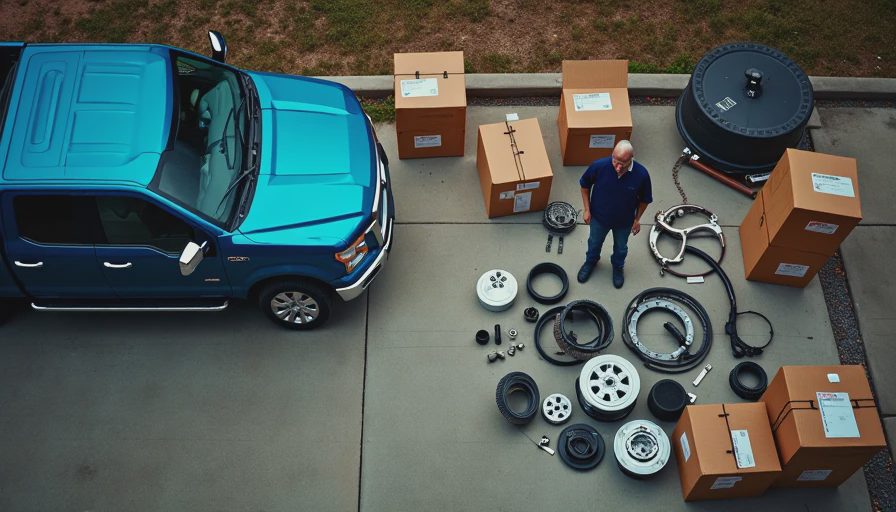
Local sales are usually the best route for large, heavy, fragile, or greasy parts. Facebook Marketplace, Craigslist, local car clubs, swap meets, and Cars and Coffee groups can connect you with buyers who understand what they are looking at. A complete small-block Chevy engine, a set of 15-inch rally wheels, or a truck bed is much easier to move locally than through a shipping company.
Facebook Marketplace brings plenty of traffic, but it also brings plenty of messages saying, "still available?" followed by silence. Use a firm price, a specific pickup area, and clear terms. Meet in a public location for small parts, or arrange driveway pickup when the item is too large to move. Do not publish your full address until the buyer has confirmed a time. For expensive parts, accept cash or a verified payment method and keep the conversation inside the platform.
Local clubs are slower but often produce better buyers. A Mustang club may know someone looking for an original console, while a vintage truck group can identify the difference between a valuable factory mirror and a parts-store replacement. Swap meets also work well for trim, gauges, emblems, carburetors, and tools. Bring a folding table, price tags, and a way to test electrical parts. Selling ten $20 pieces in a morning beats carrying them through another winter.
Where to Sell Car Parts Online
Online marketplaces make sense when the part is valuable, easy to identify, and reasonably simple to ship. eBay has a large audience and works particularly well for sensors, switches, brackets, trim, wheels, and vintage components with known part numbers. The tradeoff is fees, packing time, returns, and the occasional buyer who expects a 40-year-old part to perform like a new dealer component.
Use an accurate title with the year, make, model, engine, part name, and number. Photograph every angle, including the label and damage. Show the connector, threads, splines, mounting points, and any corrosion. If you tested the item, explain how: "12 volts applied to the motor; shaft turns smoothly" is much better than "works good." Do not claim a part fits every model in a platform unless you have verified that information.
Specialty forums and enthusiast groups can outperform general marketplaces for unusual hardware. A forum dedicated to C3 Corvettes, classic Broncos, air-cooled Volkswagens, or muscle cars gives you access to people who know the difference between a desirable date-coded component and ordinary used stock. Follow each group's sales rules and expect knowledgeable buyers to ask detailed questions.
Sell to a Salvage Yard or Parts Recycler
When the part is common, damaged, or not worth your time to clean and photograph, a salvage yard may be the sensible answer. Yards buy complete vehicles, core components, wheels, catalytic converters where legally permitted, and scrap metal. They generally will not pay retail value because they need room for labor, storage, warranty risk, and resale costs. A yard offer of $40 for a greasy alternator that might bring $90 online is not necessarily a ripoff; it is payment for convenience.
Call before loading the truck. Ask whether the yard buys loose parts, whether identification is required, and whether catalytic converters or batteries have special restrictions. Some recyclers pay by weight for steel and aluminum, while others evaluate usable assemblies separately. Aluminum wheels, clean copper wiring, and certain transmission cores can be worth more than mixed scrap.
A professional dismantler is worth contacting when you have a rare original part. They may recognize a factory option that a general scrap buyer will miss. Bring the part number, vehicle information, and honest condition notes. The more work you do to establish identity, the better your chance of getting a useful offer.

How to Get More Money Without Wasting a Weekend
Clean parts, but do not hide flaws under fresh paint. Degrease a bracket, brush loose rust off a steel component, and wipe plastic trim with a mild cleaner. Avoid aggressive polishing on original finishes until you know whether patina adds value. For an engine component, keep machined surfaces protected and plug open passages before transport.
Bundle related parts when the combination helps the buyer. A carburetor with its linkage, air cleaner, and correct spacer is more useful than four disconnected listings. On the other hand, separate rare pieces from common hardware. An original shifter knob may sell better alone while the worn boot and generic bracket go into a low-cost bundle.
Write down your lowest acceptable price before negotiations start. If shipping costs $35 and marketplace fees take another slice, a $60 online sale may be less attractive than a $45 local cash sale. Factor in your time, packing materials, fuel, and the risk of a return. When deciding where to sell car parts, net money matters more than the number printed in the listing.
A Simple Selling Plan for Your Next Garage Cleanout
First, make three piles: valuable and easy to ship, valuable but local-only, and low-value or scrap. Second, record every part number and photograph the defects. Third, check completed sales and set a price based on actual demand. Fourth, list the best online candidates with accurate compatibility details. Fifth, give large parts seven to ten days locally before considering a yard or recycler.
That process keeps a $300 original grille from ending up in the scrap pile and keeps a rusty generic muffler from taking up half your garage for another year. It also makes clear where to sell car parts before you spend an evening answering vague messages. The best buyer is not always the person offering the highest headline price. It is the one who pays, shows up, and does not turn your Saturday into a parts-delivery service.
If you have a shelf full of take-offs, start with the easiest five items instead of listing everything at once. Learn what gets questions, what sells quickly, and what is not worth handling. A clean listing, honest condition report, and fair price will beat garage clutter every time.