A workshop ventilation system is not glamorous garage equipment. Nobody brags about buying one at Cars and Coffee. But after enough evenings breathing welding smoke, brake cleaner vapor, paint fumes, and exhaust, you stop caring about glamorous. You want air that does not taste like a chemistry set when you roll the bay door shut.
I have worked in three-bay shops where the air moved well and others where the haze hung under the lights all afternoon. The difference was not always expensive equipment. It was usually a sensible plan: bring fresh air in, move dirty air out, and capture fumes close to where they are created. That is the part most home-garage builders miss.
What a Workshop Ventilation System Actually Needs to Do
Start with the contaminants you create. An idling engine produces carbon monoxide and other combustion byproducts. Welding creates smoke and fine particles. Solvents and two-part coatings release vapors. Grinding throws dust around the room. One fan cannot solve every problem, especially if it simply stirs the air and blows the mess back across your face.
General exhaust ventilation exchanges garage air with outdoor air. A wall-mounted exhaust fan, roof vent, or high-capacity inline fan can pull contaminated air outside, while a cracked door, intake grille, or dedicated make-up air opening lets replacement air enter. Without that incoming air, the fan struggles and the building may pull air backward through a water heater flue or other unsafe path.
A good workshop ventilation system also needs a route. Put exhaust high for warm fumes and general air, but remember that gasoline vapor is heavier than air and can collect low. Floor-level openings, a low exhaust point, or a portable capture hose can matter when you are working around fuel systems. Never assume one ceiling fan handles every hazard.

Choosing Fans, Ducting, and Fume Capture
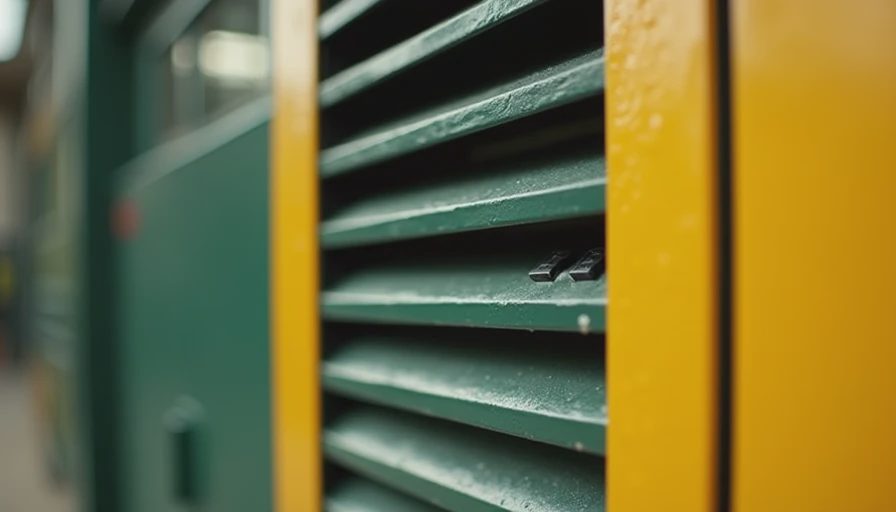
For general garage air, look at an exhaust fan rated for the room size and duty you actually need. A small bathroom fan is not a serious answer for a two-car garage. Industrial wall fans from brands such as Dayton or Canarm are common in shops because replacement parts and guards are easier to find. A belt-drive fan can be serviceable for steady work, while a direct-drive unit is often simpler for a home mechanic.
Ducting needs the same honesty. Long runs, sharp elbows, screens, and undersized pipe reduce airflow. Flexible dryer duct is cheap, but it sags, collects dust, and does not belong near hot exhaust or welding sparks. Smooth metal duct with a short route usually performs better. Put the exhaust outlet where fumes will not come back through an open window, house door, or neighboring garage.
For welding or running an engine indoors, source capture beats hoping the room clears later. A flexible extraction arm or large hose positioned near the tailpipe or welding plume removes contamination before it spreads. Brands such as Fume-A-Vent and Lincoln Electric sell purpose-built capture equipment, but a home shop can also use a properly rated metal hood and fan. Keep the hose clear of belts, fans, hot headers, and moving wheels.
Airflow Is More Than a Fan on the Wall
The best workshop ventilation system creates a deliberate path across the work area. Fresh air should enter behind you or from the clean side of the bay, sweep past the vehicle, and leave at the dirty side. If the exhaust fan sits beside the open garage door, it may short-circuit the airflow and leave the opposite corner stagnant.
Test the path with a strip of tissue or theatrical smoke, never with an open flame. With the fan running, watch whether air moves toward the exhaust or curls back into the breathing zone. Check the area around a running vehicle separately. Tailpipe extraction is still required; a fan that moves room air is not a substitute for controlling exhaust at the source.
Do not make the garage strongly negative without thinking about combustion appliances. A natural-draft furnace, boiler, or water heater can spill combustion gases if exhaust air pulls down its flue. That is where a make-up air damper or a qualified HVAC technician earns his money. Carbon monoxide alarms are cheap insurance, but they are an alarm, not ventilation.
A portable air cleaner can help with dust and welding particulate when it uses an appropriate filter, but it does not magically remove carbon monoxide or every solvent vapor. Likewise, activated carbon filters have a limited service life. If the filter smells loaded or airflow drops, replace it instead of pretending the machine is still doing the job.
Building a Practical Setup on a Budget
A basic setup for a detached garage might begin with a guarded wall exhaust fan, a screened low intake on the opposite side, and a flexible source-capture hose for engine running. Budget roughly $250 to $600 for a modest fan, electrical work, grilles, ducting, and controls if you do part of the installation yourself. Welding extraction arms and better filtration can push the project past $1,000 quickly, but spending that money on capture is smarter than buying decorative stainless duct you do not need.
Mount controls away from sparks and solvent splash. Use a switch or timer that is easy to reach before starting an engine. A variable-speed controller can reduce noise during light work, but only use one approved for the specific motor. Keep guards installed, protect cords from jack stands and weld spatter, and have an electrician handle hardwired circuits if you are not qualified.
For a temporary arrangement, open the main door and a second opening on the opposite side, place a high-volume fan to exhaust outward, and use a tailpipe hose whenever an engine runs. That arrangement is better than a box fan aimed at your back, but it is not a permanent replacement for a planned workshop ventilation system. Never run an engine in a closed garage, even for a minute.
Maintenance That Keeps Air Moving
Dust and grinding grit will coat fan blades and motor housings. Inspect the guard, clean buildup, and check for vibration every few months. A dirty blade can move less air and make more noise. Look over duct joints for tears, crushed sections, and loose clamps. Replace clogged intake screens before the fan starts starving for air.
Keep a simple log for filter changes and inspections. Write down the date you cleaned the fan, changed a filter, or noticed a new odor. If a carbon monoxide alarm activates, shut down the engine, leave the building, and investigate the cause before working again. Do not silence it and continue wrenching.
The right setup will not make careless work safe. Store solvents in approved containers, keep gasoline away from ignition sources, and follow product instructions for coatings and cleaners. Ventilation is one layer of protection, along with gloves, eye protection, a respirator selected for the hazard, and good fire control.
The Setup I Would Build Today
For a serious two-car project garage, I would install a guarded exhaust fan high on one wall, a low fresh-air intake across the room, and a dedicated source-capture hose for exhaust. I would keep a separate filtered air cleaner for grinding and welding dust, then verify the airflow with smoke before trusting the layout. That workshop ventilation system is not overkill when the garage doubles as a bodywork area and engine bay.
Spend money first on capturing fumes at the source, reliable electrical work, and a clean airflow path. Skip the tiny fan with a shiny grille and the bargain duct that collapses under suction. If you can smell solvent or see haze hanging around your head, the system is telling you exactly what needs fixing. Make the change before the next late-night tune-up, not after your garage air has turned into another problem to diagnose.