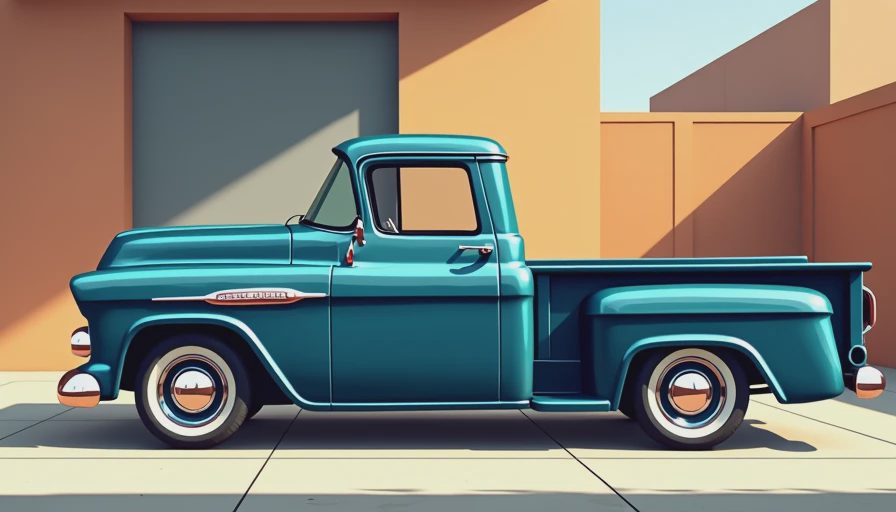
A 1960 chevy truck has a way of pulling you in before you get a full walkaround. The grille looks honest, the sheetmetal has that squared-up old GM stance, and if the cab still sits level you start thinking about weekends, not spreadsheets. That is exactly where guys get in trouble. The truck can be a sweetheart, but the weak spots are old-school: rust in the floors, tired steering, hacked wiring, and brake parts that were outdated when Eisenhower was still in office. If you want one that feels good on the road, you need a plan before the check changes hands.
Why the old Chevy still gets respect
A 1960 chevy truck earns its keep because it sits in that sweet spot between too-new-to-be-interesting and too-old-to-drive without drama. It has real steel, simple wiring, and enough aftermarket support that you are not hunting unicorn parts for every repair. Small-block Chevrolet swaps are common, but even the stock sixes and V8s have plenty of support from places like RockAuto, LMC Truck, and Summit Racing. That matters when you are trying to keep a project moving instead of waiting three months for some one-off piece of trim.
What I like most is how forgiving these trucks can be if the bones are right. A straight cab, decent frame, and complete bed can turn into a solid driver without you needing to build a full show rig. I have seen guys spend more money on bad paint and chrome than they would have spent fixing the metal, and that is backward. A straight, honest truck is where the value lives, not in shiny parts bolted to rotten steel.
What to inspect before money changes hands
On a 1960 chevy truck, the cab corners and floor pans tell you more than the seller’s story ever will. Get under the mats and look at the toe boards, the rockers, the bottom of the doors, and the cab mounts. If the door gaps are weird or the cab shifts when somebody leans on it, assume rust or bad repairs until proven otherwise. Check the front frame horns and the rear of the frame where old tow hitches and farm repairs like to hide the ugly stuff.
The bed deserves its own inspection. Wood floors can be replaced, but a bed full of patchwork steel and shaky braces can turn into a money pit fast. Look at the windshield frame, the lower cowl, and the back of the cab where water likes to sit. Then check the title, because a clean old truck with a bad paper trail can become a headache you do not need. If it runs, listen for oil pressure, coolant leaks, and exhaust smoke. If it does not run, budget like the engine is done until you prove otherwise.
I had a guy bring in an old pickup that looked decent from ten feet away. The paint was shiny enough to fool a weekend crowd, but the cab mounts were soft, the clutch linkage was cobbled together, and the front brakes were pulling hard left. That truck was not a disaster, but it was not a bargain either. The asking price looked fair until the hidden work started stacking up.
The first upgrades I would make for real driving
The first time I put a 1960 chevy truck back on the road for regular use, I start with brakes, tires, steering, and charging. Not chrome. Not stereo. Not fancy wheels. A dual-circuit master cylinder is cheap insurance, and a front disc conversion from CPP, Wilwood, or another decent kit usually lands somewhere around $800 to $1,500 depending on how complete you want it. That is money well spent if the truck is still running old drums and you plan to drive it in traffic.
Radial tires are another no-brainer. Old bias-ply tires may look period-correct, but they ride rough and wander more than most people remember. A good set of modern radials can transform the truck for under four figures, especially if the wheels already fit the diameter. After that, I want the steering tight. A worn box, sloppy tie rods, or a dead rag joint will make any old pickup feel worse than it really is. Borgeson and similar steering upgrades are popular because they take the play out without turning the truck into a science project.
The charging system and cooling system come next. An old generator can work, but an alternator conversion is usually smarter if you are adding electric fans, better lights, or a modern stereo. On the cooling side, a clean radiator, fresh hoses, and a good thermostat do more than most guys think. Heat and weak brakes ruin more vintage truck weekends than horsepower ever will.
Where the money goes when the truck is half done
This is where owners get surprised. A 1960 chevy truck can look like a $12,000 buy and turn into a $30,000 project before the seat cover arrives. If you start with a complete driver, you might get by with $2,500 to $6,000 in mechanical work, plus a few more grand if the paint and interior are tired. If you start with a rough shell, the number climbs fast because metal work, glass, seals, weatherstrip, and assembly time eat cash one bite at a time.
Paint alone can swing wildly. A decent driver-quality respray can land in the $8,000 to $15,000 range once bodywork is included, and that is before you start chasing show-car shine. Upholstery is another one people underestimate. A seat cover, door panels, carpet, and headliner can stay friendly if you do the labor yourself, but a full interior done right still adds up. Add brakes, steering, exhaust, and a cooling refresh, and the parts bill starts feeling real.
I tell people to buy the most complete truck they can afford, even if the paint is ugly. Missing trim, hacked wiring, and a pile of boxes in the bed are where projects go to die. Completeness saves more money than a pretty respray ever will.

Parts sources and the stuff worth buying once
If you want to keep the work moving, use the catalogs and the junkyard like they were built for each other. LMC Truck is strong for weatherstrip, trim, bed parts, and interior pieces. RockAuto is still hard to beat for brake parts, belts, ignition components, and engine seals. Summit Racing is where I go when the project needs a better radiator, a carb, headers, or a suspension piece that I do not want to source twice. Local swap meets still matter too, because an original dash knob or a clean grille can beat a reproduction part that fits like a bad haircut.
The pieces worth buying once are the ones that keep the truck safe and driveable. Good brake hydraulics, quality wheel bearings, reliable ignition parts, and proper cooling parts save you from chasing the same problem over and over. Cheap parts are fine when you are testing a fit or replacing a trim clip. They are not fine when they can strand you on the shoulder with steam coming out from under the hood.
How I would build one for myself
If I were parking a 1960 chevy truck in my own driveway, I would start with a solid cab, a clean title, and a truck that still has its bones. I would not get hypnotized by fresh paint if the floors were patched with roofing steel and hope. I would spend first on safety, then on drivability, then on looks. That means brakes, steering, tires, cooling, and wiring before badges and bed wood. Do it that way and the truck feels like a truck you can trust, not a rolling reminder of bad decisions.
The best part is that these old Chevys reward honest work. You do not need a giant shop or a trailer queen budget to make one usable. You need a straight eye, a decent parts plan, and the patience to fix the ugly stuff before it gets expensive. Get those things right and the truck stops being a project and starts being the thing you actually drive.