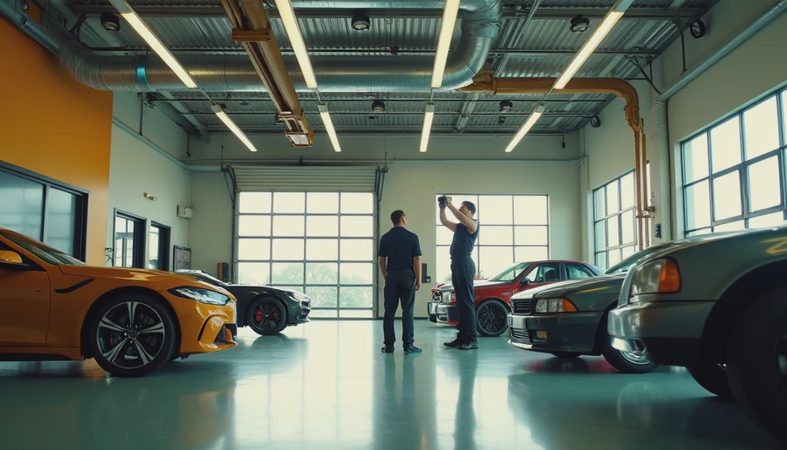
If you're looking at a Chevrolet K10, you're probably not shopping for transportation appliance. You're shopping for a truck with real steel, a short enough wheelbase to feel alive, and enough history to make every gas stop turn into a conversation. The catch is simple: the same truck that gets thumbs-up at a show can become a money pit if you buy a rusty one or insure it like a commuter pickup. I want you to know where the traps are before you hand over cash.
Why a Chevrolet K10 still gets attention
The old square-body crowd has stayed strong because the truck does a lot of things right. Parts are everywhere, engines are simple, and the cab is roomy enough that a tall driver does not feel folded in half. A decent driver with a straight bed and honest paint can still land in the mid-teens, while nicer restorations and clean original trucks can climb well past that. That is why buyers keep coming back. You can fix one in a normal garage, keep it on the road, and still have something that feels mechanical instead of disposable.
What insurers care about on an old 4x4
When I write up a Chevrolet K10 for a customer, the first question is how the truck is used. A weekend toy, a fair-weather cruiser, and a daily driver do not belong on the same policy. Standard carriers like GEICO, Progressive, and State Farm usually make sense when the truck is still doing real miles and needs liability, comprehensive, and collision. Classic-focused companies like Hagerty, Grundy, and American Collectors are built around agreed value coverage, limited mileage, and garage storage. That setup often fits a clean old truck better, especially if the owner has another car and wants the number on the policy to match the truck's actual value. Premiums can swing a lot, but the difference between cheap and right usually comes down to how honest you are about use, condition, and where it sleeps.
The trouble spots I keep seeing
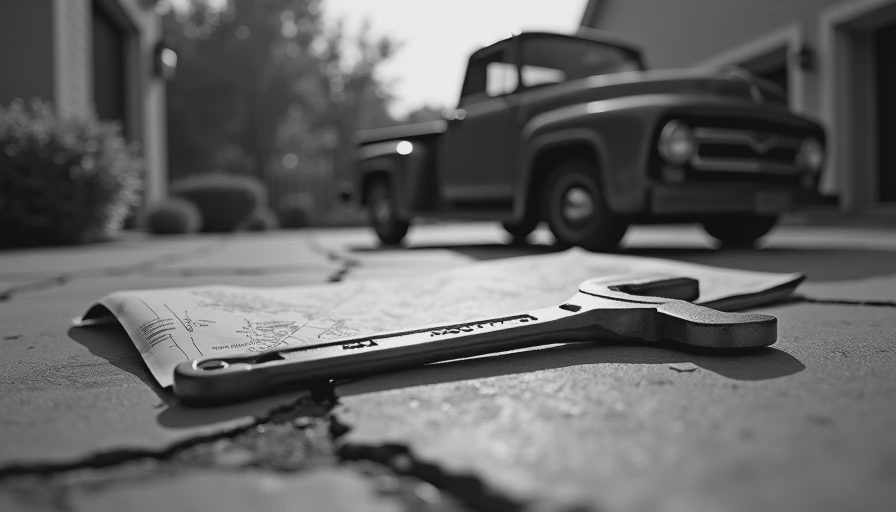
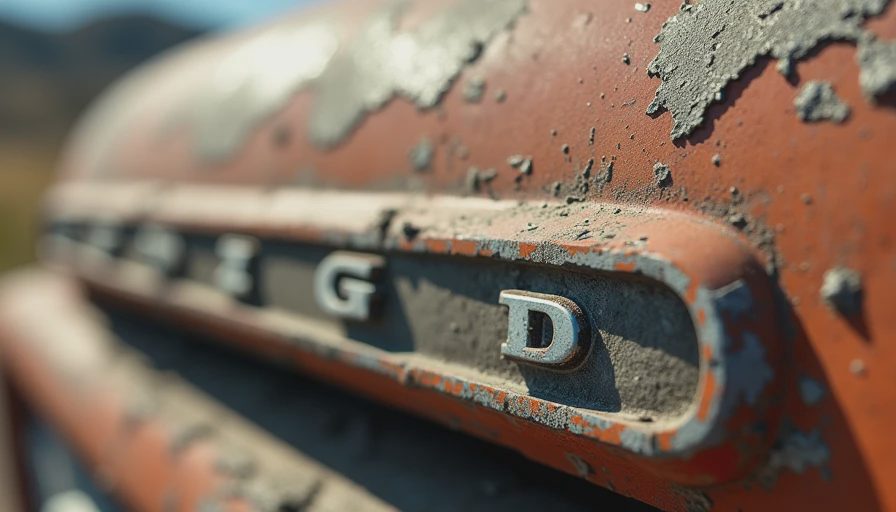
Rust is the first thing that eats time and money. Check cab corners, rocker panels, floor pans, bed supports, and the lower edges of the doors. Get under it and look at the frame around the steering box and spring mounts, because surface rust is common but cracking and deep scaling are a different story. I also look for hacked wiring, mismatched gauges, and cooling systems that were patched instead of repaired. A rough Chevrolet K10 can still be worth saving, but the price needs to reflect the sheetmetal and mechanical work hiding under the shine. A truck with a decent body and tired brakes is one thing. A truck with fresh paint over rust bubbles is another. That second one will empty your wallet fast.
How to inspect one before you buy
Start cold. If the seller has it warmed up before you arrive, find out why. A cold start tells you more about oil pressure, choke behavior, lifter noise, smoke, and general tune than a ten-minute warm engine ever will. Let it idle, then watch for leaks at the intake, valve covers, water pump, transmission pan, and transfer case. Take it on a road test and make sure it tracks straight, brakes hard without pulling, and shifts cleanly through the gears. On four-wheel-drive trucks, engage the front axle and make sure the hubs and transfer case actually work. If the steering has a lot of wander, budget for it. These old GM trucks can feel loose when everything is worn just a little, and they feel dangerous when everything is worn a lot. I also want to see paperwork, because title problems and half-finished swaps are where good deals turn into weeks of lost time.
How to keep ownership costs sane
The easiest way to save money is to buy the best truck you can afford, not the prettiest one you can talk yourself into. A clean driver with honest mechanicals costs more up front, but it is usually cheaper than a bargain truck that needs brakes, tires, cooling work, and rust repair all at once. For parts, I still point people to RockAuto, Summit Racing, Jegs, and LMC Truck when they need common stuff like brake components, weatherstripping, fuel system parts, or trim pieces. If you are keeping the truck close to stock, that helps with insurance too, because a mostly original build is easier to explain and value. Add an alarm, keep it in a locked garage, and document the work with receipts and photos. Those are the little moves that make a classic policy easier to set up and easier to defend if something happens.
If you're serious about a Chevrolet K10, get your insurance quote before you close the deal and make sure the coverage matches how you actually drive. A good truck is worth protecting, and the right policy keeps a fun weekend rig from turning into a headache when the weather, or the driver next to you, goes bad.