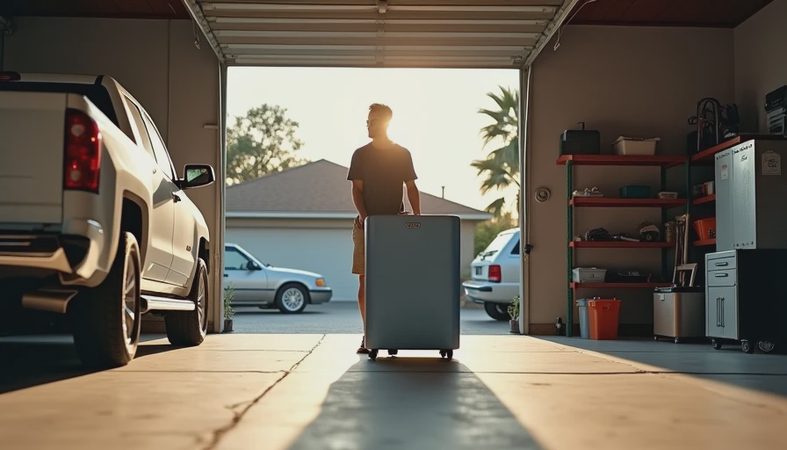
If you spend July turning wrenches in a metal box, you already know the problem: the garage starts feeling like a parked car with the windows up. Learning how to cool a garage is less about buying the biggest air conditioner you can find and more about stopping heat before it gets inside. Shade, airflow, insulation, and smart work habits will do more than a cheap fan pointed at your face.
I have worked in three-bay shops where the concrete stayed hot well after dark. The mistake I see most often is trying to cool an unsealed building. A fan cannot win against a black roof, bare metal walls, and a garage door with daylight showing around every edge. Fix the heat load first, then choose equipment that fits the space.
Start with shade and air movement
The roof is usually the biggest heat source. If it gets direct afternoon sun, the ceiling radiates warmth onto everything below, including you and that freshly painted hood. A light-colored roof coating can reduce surface heating, while a shade tree, retractable awning, or properly placed shade sail helps keep sun off the door and west-facing wall. Do not block required vents or create a fire hazard around the structure.
Next, establish cross-ventilation. Open the garage door a foot or two on the shaded side and crack a rear window or side service door. Put a 20-inch box fan in one opening, aimed outward. That exhausts hot air instead of merely stirring it. If you have two fans, use one to pull air out high and the other to bring cooler air in low. The high fan matters because hot air collects near the ceiling.
A pedestal fan is useful at the workbench, but it is not a cooling system for the whole building. A durable shop fan from U.S. fans, Lasko, or Dayton can move serious air, though the noise will sound like a small aircraft. Keep cords away from jack stands, welding leads, and oil spills.
Insulate the parts that matter
When people ask how to cool a garage, I usually ask what the ceiling looks like. If you can see roof decking, insulation belongs at the top of the list. Fiberglass batts are inexpensive, but they need to be installed correctly and covered where required. Rigid foam board can work well in walls and garage doors, provided it is installed according to local fire-safety requirements.
The garage door is often the weak link. A bare steel door turns into a radiator when the sun hits it. A manufacturer-approved insulation kit can help, especially on a double-wide door. Add weatherstripping along the bottom and sides, then inspect the top seal. A gap two fingers wide can dump your cooled air outside and pull hot air in all afternoon.
Seal obvious leaks with appropriate caulk or expanding foam, but do not seal over combustion-air openings for a gas water heater or furnace. If your garage contains fuel-burning equipment, carbon monoxide safety comes first. A working detector is cheap insurance, and ventilation rules are not optional because you are trying to save a few degrees.
Pick the right cooling equipment
A window air conditioner is usually the most affordable serious option if your garage has a suitable window and a dedicated electrical circuit. A 5,000 to 8,000 BTU unit can handle a modest, insulated one-car garage better than a portable unit with a loose exhaust hose. A portable air conditioner is easier to install, but its hose dumps heat and often makes the machine less efficient than advertised.
A mini-split is the cleanest long-term answer for a frequently used garage. A 9,000 or 12,000 BTU inverter unit can cool a small insulated shop quietly while using less power at part load. Installation costs more, often several thousand dollars after equipment and labor, but you avoid dragging hoses through a window and can heat the space in winter. Do not oversize it dramatically. A giant unit may cool the air fast without removing enough humidity, leaving the garage clammy.
If you are only working for a couple of hours, an evaporative cooler can help in a dry climate. It is a poor choice in humid regions because it adds moisture. That moisture is bad news for bare steel, brake rotors, tools, and the underside of a project car.

Work with the weather instead of against it
The best answer to how to cool a garage may be changing your schedule. Open the building early, before the concrete and walls absorb the day's heat. Work with the door closed during the hottest afternoon sun if your ventilation setup allows it, then exhaust the accumulated heat after sunset. In many places, the air outside becomes useful again once the sun drops.
Avoid running a gasoline engine inside, even with the door open. Carbon monoxide can build up quickly and has no smell. For diagnosis, move the vehicle outside or use a properly ventilated professional setup. Also keep refrigerant, fuel, aerosols, and oily rags away from hot motors and overloaded extension cords.
For personal comfort, use a sweat-wicking shirt, drink water before you feel thirsty, and take breaks before you get light-headed. A neck fan or cooling towel is inexpensive, but neither replaces airflow and shade. I keep a small refrigerator in the shop, but cold drinks do not make an unsafe workspace safe.
A practical weekend plan
On Saturday morning, measure the garage and inspect the roof, door seals, windows, and electrical circuits. In the afternoon, note where sunlight lands and where hot air collects. That tells you whether shade, a high exhaust fan, or ceiling insulation should come first.
On Sunday, install weatherstripping, seal noncritical gaps, and add a fan that exhausts through a window or side door. Test the airflow with a strip of tissue or light plastic; it should move steadily toward the exhaust opening. After that, price insulation before buying air conditioning. A $40 seal and a few hundred dollars of properly installed insulation can make a small unit feel far more effective.
For a one-car garage used occasionally, shade, cross-ventilation, and a quality box fan may be enough. For a two-car garage where you weld, paint, or work on cars every week, insulation plus a mini-split is the better investment. That is the honest answer to how to cool a garage: control the heat sources first, then pay to cool what remains.
What I would do in my own shop
I would start with the west-facing wall and garage door, because afternoon sun is relentless. I would add ceiling insulation, seal the bottom door gasket, and install a high exhaust fan with a guarded grille. Then I would use a window unit or mini-split sized for the insulated space, not the original hot box.
Skip the gimmicks that promise an ice-cold garage from a tiny desk fan or a bucket of ice. They can cool your hands for a few minutes, but they do not remove the heat sitting in the roof and concrete. Spend the money on airflow, insulation, and safe electrical work. Once those basics are handled, how to cool a garage stops being a summer battle and becomes a straightforward shop upgrade.