Owning an old chevy truck is the easy part. Insuring one is where guys start guessing, and guessing is how you end up paying too much or leaving the truck undercovered. If yours is a C10, a Stepside, or a square-body that spends most of its life under a cover, the policy should match how you actually use it. A weekend cruiser, a parade truck, and a daily driver do not belong on the same coverage plan. The goal is simple: protect the truck, protect your wallet, and make sure a loss does not turn into a fight over what the truck was worth.
Why an old chevy truck needs different coverage
A stock old chevy truck and a modern half-ton do not get valued the same way after a total loss. Most standard auto policies pay actual cash value, which means the insurer looks at what the truck was worth right before the claim. That can be a problem if you have already sunk money into paint, chrome, bed wood, brake work, or a clean original interior. The market for vintage pickups is messy, and book values do not always keep up with real-world sale prices.
That is why collector policies exist. Companies like Hagerty, Grundy, and other specialty carriers are built around agreed value coverage, where you and the insurer settle on the truck's value up front. If the truck is totaled and the policy is written cleanly, that number is what matters. For a truck that is mostly a toy, that setup usually beats a standard policy without a fight.
The catch is use. If you drive it to work every day, haul mulch, and park it outside at the grocery store, a collector policy may not fit. Insurance works best when the policy matches the actual life of the vehicle, not the life you wish it had.

What drives the price on coverage
When people ask me why one old chevy truck costs more to insure than another, the answer is usually boring in the best possible way. Mileage matters. Storage matters. Your driving record matters. Where the truck lives matters. A truck kept in a locked garage in suburban Michigan is a different risk than one parked on a street in a crowded zip code.
Modifications can move the number too. A mild small-block swap is one thing. A high-dollar LS build, custom wheels, coilovers, air conditioning, and a fresh stereo package can add real replacement cost. Tell the insurer what is on the truck and keep receipts. Photos help more than people think, especially if the truck was built in stages and the parts pile never made it into one neat folder.
The same goes for safety gear. Better brakes, better tires, and working lights do not usually create a discount you can brag about, but they can make the truck easier to live with and easier to explain to an underwriter. If you have the choice, a covered garage and limited annual mileage usually help more than any fancy wording on the application.
How to insure an old chevy truck the smart way
If the truck is a weekend toy, start with a collector quote. Ask for agreed value, a mileage limit you can actually live with, and enough liability to cover more than the state minimum. State minimum limits are cheap because they are thin. One bad accident can burn through them in a hurry, and vintage trucks can still hurt people just fine if something goes sideways.
For the coverage itself, comprehensive protects against theft, hail, fire, falling tree limbs, and other non-collision damage. Collision covers damage from an accident, whether you clip a pole backing out of a show field or somebody else crowds you on the freeway. A lot of owners also add roadside and towing, because old trucks rarely enjoy a flatbed ride less than a modern car does. If you have a carbureted cruiser or a truck with a quirky cooling system, that towing add-on is worth more than the tiny premium bump.
If the truck is truly a regular driver, a standard auto policy with higher liability limits may be the better fit. You can still protect the truck with comprehensive and collision, but you should be honest about use. Nothing creates a claim headache faster than telling the company it is a pleasure truck when it is really doing school runs and job-site duty.
A real-world setup that makes sense
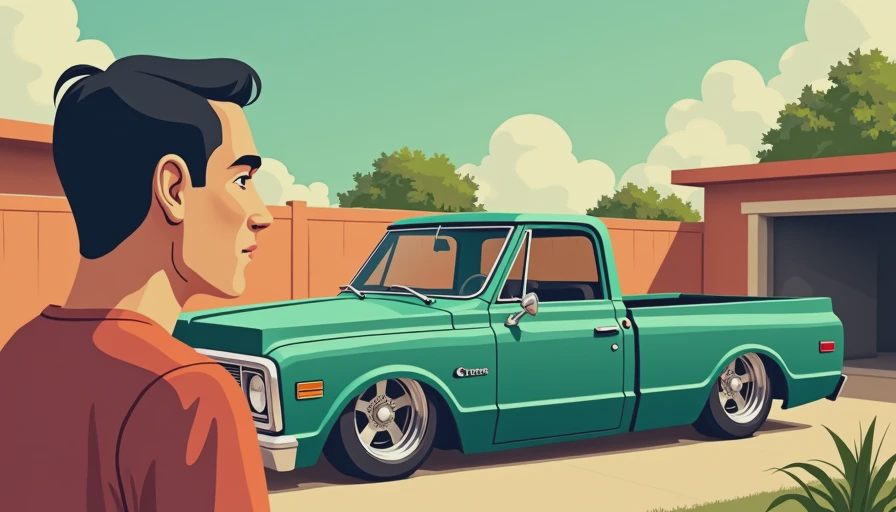
Here is the kind of setup I see work well. A driver owns a 1969 C10 with a clean repaint, decent original trim, and about 3,000 miles a year on it. It sleeps in a garage and only comes out when the weather is decent. In that lane, a collector policy with agreed value usually makes the most sense, and annual premiums can land in the low hundreds to under a thousand bucks depending on location, driving history, and value. That is not a promise, just the kind of range I see when the truck is kept honest.
Now flip the script. Same truck, but it gets driven to work two or three days a week and lives outside. At that point, a standard policy might cost more, but it also fits the way the truck is actually used. I would rather see a guy pay a fair standard premium than force a collector policy into a daily-driver life and risk a denial later. The cheapest policy on paper is not always the cheapest policy when somebody files a claim.
If you are shopping today, get at least two quotes from specialty carriers and one from a mainstream auto insurer. Compare the liability limits, the deductible, the mileage restriction, and whether the policy pays agreed value or actual cash value. That little stack of details matters more than the headline number.
What I tell truck owners before they buy
If you want the short version, do not insure a project by vibe. Measure the truck against reality. If the old chevy truck is mostly original, garaged, and used sparingly, collector coverage is usually the cleanest play. If it is a tool that earns its keep, a standard policy with solid liability, comprehensive, collision, and roadside support is the safer bet.
Before you buy, take twenty photos, save your receipts, and write down the parts that were replaced. If there was an appraisal, keep that too. That paperwork does not just help with a claim; it also helps the agent or underwriter understand why your truck is worth more than the average old pickup on a book-value sheet. That is the kind of work that pays off long after the first premium comes due.
If your old chevy truck is the kind of rig you plan to keep, insure it like you mean it. Spend five minutes getting the coverage right now, and you will save yourself a pile of phone calls later, which is about as close to free money as insurance ever gets.