If you searched for ventilation fans fan, you are probably standing in a garage that smells like gasoline, holds heat like a steel drum, or fills with haze every time you weld. I have worked in three-bay shops and cramped home garages, and the answer is not always “buy the biggest fan.” The right exhaust setup moves contaminated air outside without creating an electrical or fire hazard.
A garage fan has one job: exchange dirty indoor air for cleaner outdoor air. That means choosing enough airflow, giving the air a clear path, and placing the fan where fumes actually collect. A cheap box fan pointed at the open door can help on a mild day, but it is not a proper exhaust system for paint vapor, solvent fumes, or running engines.
What ventilation fans fan shoppers should look for
Start with CFM, or cubic feet per minute. CFM tells you how much air the fan moves. Measure your garage length, width, and average ceiling height, then multiply those numbers to find cubic feet. A 24-by-24-foot garage with an 8-foot ceiling contains 4,608 cubic feet of air. For a basic workspace, a fan rated around 1,500 to 2,000 CFM can provide useful air exchange. A larger three-car garage or a space where welding and engine testing happen may justify 3,000 CFM or more.
Do not trust the highest number printed on a box without reading the fine print. Free-air CFM is measured with little or no resistance. A fan pushing through a louver, screen, duct, and exterior hood will move less air. Inline duct fans from brands such as Vivosun or AC Infinity can work well when duct routing matters, while a heavy-duty wall exhaust fan from Dayton or TPI is often simpler for a permanent installation.
Noise matters, too. A loud 30-inch belt-driven fan can move serious air, but it may drown out a radio and make conversation miserable. For a home garage, a sealed motor, guarded blades, and a speed controller are worthwhile upgrades. If the fan will run near welding, grinding, or fuel storage, choose a model with a motor and housing suited to that environment rather than adapting a household fan and hoping for the best.

Placement beats brute force
The best ventilation fans fan installation usually sits high on an exterior wall, opposite a low intake opening. Hot air rises, so a high exhaust point clears heat and fumes more effectively than a fan sitting on the floor. Install a louver or screened intake low on the opposite side of the garage so replacement air comes from outside instead of being pulled through the house.
Keep the exhaust outlet away from windows, doors, furnace intake vents, and neighboring work areas. Blowing fumes toward the kitchen window defeats the whole project. A weather hood with a backdraft damper keeps rain, snow, insects, and cold wind from coming through when the fan is off. If you use flexible duct, keep the run short and straight; every bend costs airflow.
Airflow needs a route. With the garage door fully closed, a powerful exhaust fan can pull the room negative and struggle. With the door cracked or a dedicated intake open, the ventilation fans fan system can actually exchange air instead of wheezing against a vacuum. Never block the intake with shelving, parts bins, or a stack of old tires.
Fumes, carbon monoxide, and fire safety
A ventilation fan is not a substitute for a carbon monoxide detector. Any gasoline engine running indoors can produce deadly carbon monoxide, including a modern fuel-injected car that seems to be idling cleanly. Use a properly fitted exhaust hose that vents outdoors, keep the garage door open, and limit engine run time. If a detector alarms, shut the engine off, leave the building, and call emergency services if symptoms or unsafe readings continue.
Fuel vapor changes the equipment decision. Gasoline fumes can ignite, and ordinary fan motors may create sparks or hot surfaces. Do not run a standard box fan directly over an open fuel tank, carburetor, solvent pan, or freshly sprayed paint. For hazardous vapor areas, use equipment specifically rated for the application and follow local electrical requirements. A fan that is merely powerful is not automatically safe.
Mount wiring in approved conduit where it can be hit by doors, jacks, or moving parts. Put the switch where you can reach it without leaning across a welding table. A dedicated circuit is a sensible move for a large motor, and a licensed electrician should handle new line-voltage work if you are not certain about breaker sizing, grounding, or disconnect requirements.
Comparing practical garage fan setups
For a small one-car garage, a 12- to 16-inch window exhaust fan in a secure opening may be enough for heat and ordinary odor control. Expect to spend roughly $80 to $200, not counting framing and electrical work. It is inexpensive and easy to remove, but airflow drops sharply when the filter or screen gets dirty.
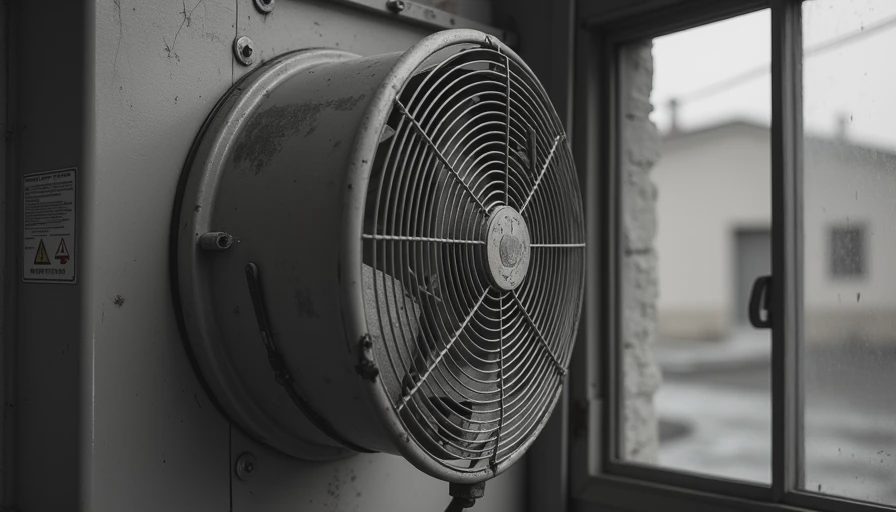
A wall-mounted exhaust fan in the 18- to 24-inch range is the better all-around choice for a two-car garage. Many models cost $200 to $600. They move more air, tolerate regular use, and can be paired with a wall switch or thermostat. The tradeoff is cutting a proper opening and sealing the frame against rain and air leaks.
For welding, grinding, or paint preparation, a dedicated source-capture arm is more useful than trying to ventilate the entire building. It pulls smoke close to the work before the plume spreads. Industrial fume extractors can run from several hundred dollars to well over $1,000, but they protect the whole room better than a giant fan at the back wall.
The ventilation fans fan choice should match the mess you create. A mild restoration hobby does not need an aircraft hangar system, while daily fabrication work deserves more than a dusty box fan on a milk crate.
Installation mistakes that cost airflow
The first mistake is installing an exhaust fan with no intake. The second is covering the fan with a restrictive filter meant for a home HVAC return. Filters can be useful for dust, but they need regular cleaning and enough surface area. A clogged filter turns a strong fan into an expensive wall decoration.
The third mistake is ignoring backflow. In winter, an unsealed exhaust opening can dump heated air outside all night. Use a damper and inspect the exterior hood after storms. Vibration is another common problem. Rubber isolation mounts reduce rattling through the wall, and tight fasteners keep the fan from walking loose over time.
Before cutting the wall, confirm there are no hidden wires, plumbing lines, or structural posts. Frame the opening, seal the perimeter with exterior-grade caulk, and protect exposed wood from moisture. After installation, hold a strip of tissue near the intake and exhaust. It should show steady movement without flapping wildly or reversing when the garage door changes position.
A setup I would trust in my own garage
For a typical two-car project garage, I would install a high wall exhaust fan rated around 2,000 to 3,000 CFM, a low screened intake on the opposite wall, an exterior hood with a damper, and a carbon monoxide detector near the work area. I would add a portable source-capture extractor for welding and use an exhaust hose whenever an engine runs.
That combination costs more than a box fan but solves the actual problem: heat leaves high, fresh air enters low, and fumes get captured before they spread. Clean the blades and screens every few months, check the damper before winter, and listen for bearing noise. When ventilation fans fan equipment starts rattling, slowing, or smelling hot, shut it down and diagnose the motor instead of waiting for a fire.
Good ventilation will not fix careless fuel handling or make indoor engine testing harmless. It will make the garage cooler, clearer, and far less punishing during a long Saturday under the hood. Buy for the work you really do, give the air somewhere to go, and spend the money on safe installation before shiny accessories.