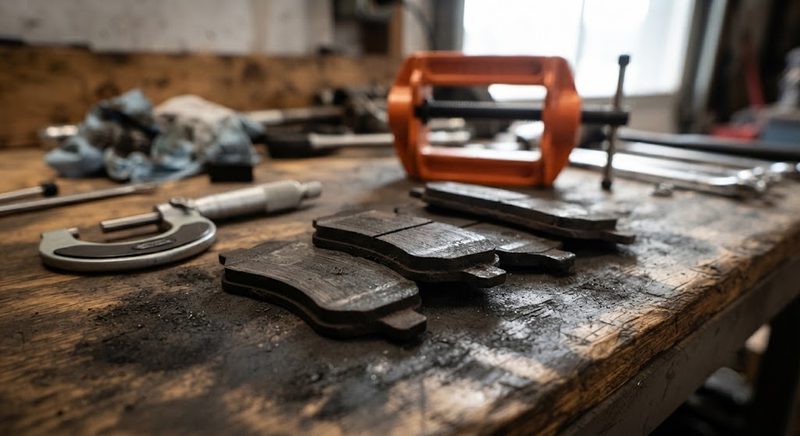
A 4l80 rebuild kit is not a magic bag of seals that turns a tired transmission into a race unit. It is the starting point for restoring one of GM’s toughest overdrive automatics, and the quality of the parts inside matters. I have opened plenty of 4L80-E units that were supposedly rebuilt recently, only to find burned clutches, wrong steels, loose bushings, and a filter that looked like it came from a lawn mower. The kit helps, but the inspection and assembly work decide whether the transmission lives.
The 4L80-E earned its reputation in heavy trucks, vans, and performance swaps because it can handle serious torque when it has proper hydraulic pressure and good internal parts. That does not mean every 4l80 rebuild kit is equal. Before ordering, identify the transmission, check the valve body configuration, and decide whether the vehicle is a daily driver, tow rig, street car, or drag project.
What a 4l80 rebuild kit should include
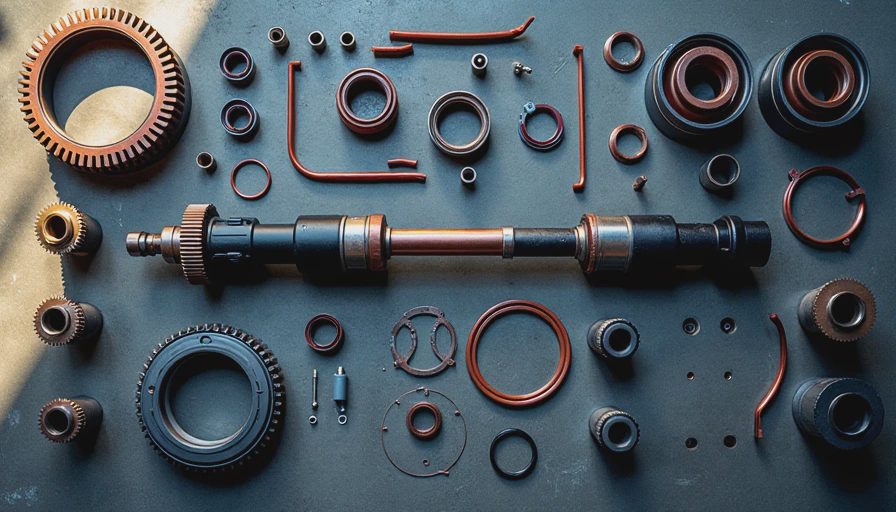
A basic 4l80 rebuild kit normally includes friction clutches, steel plates, paper or molded gaskets, sealing rings, O-rings, lip seals, and a filter. Better kits can include bonded pistons, updated accumulator components, a pump bushing, a rear case bushing, thrust washers, and a complete bushing set. That difference matters because a transmission can have fresh clutches and still lose pressure through worn bushings or hardened seals.
For a mild street truck, a reputable 4l80 rebuild kit from a recognized transmission supplier is usually a smarter purchase than the cheapest marketplace listing. Sonnax, Transtar, Alto, Raybestos, and ATP are names commonly seen in professional transmission work, though the exact contents vary by kit. Read the parts list instead of trusting the product title. Some kits are overhaul kits only; others are advertised as master kits and include far more.
Pay close attention to the direct clutch and forward clutch contents. Those packs see substantial heat, especially in a heavy vehicle with a stock converter and frequent towing. A kit that includes quality friction material and the correct number of clutches gives you room to set proper clearance rather than blindly reusing worn components.

Identify the transmission before buying parts
The 4L80-E appeared in many GM applications, but year and calibration differences can affect the rebuild. A unit from a Chevrolet Express van is not automatically identical to one from a 6.0-liter Silverado or a performance swap. Connector style, reluctor arrangement, valve body details, output shaft length, and internal components can differ.
Get the transmission identification information before ordering a 4l80 rebuild kit. Photograph the case, connector, pan, and tag if one is present. Measure the output shaft and note whether the transmission is going into its original vehicle or a custom chassis. A swap project can require different crossmember placement, driveshaft length, cooler lines, and electronic control even when the mechanical unit is sound.
Also determine whether the core is actually a 4L80-E rather than a 4L60-E. They share a similar name but are different transmissions with different dimensions, internals, and rebuild parts. The 4L80-E is physically larger and generally uses a stronger geartrain. Ordering by a seller’s vague “GM overdrive” description is how a Saturday project becomes a month of waiting for returns.
Where cheap rebuilds usually fail
The most common mistake is treating the transmission like an engine gasket job. You cannot simply install every new seal from a 4l80 rebuild kit, bolt the case together, and expect correct operation. Clutch clearances, bushing fit, pump condition, endplay, and valve body cleanliness all deserve measured attention.
A worn pump can produce low line pressure, delayed engagement, slipping, or poor converter charging. A scored pump housing is not fixed by new seals. The input drum may have damaged splines, and the center support can show wear where the low-reverse clutch operates. The case itself needs inspection around the direct clutch area and accumulator bores.
I also avoid kits that make big horsepower promises without explaining the rest of the build. More clutches do not compensate for a cracked drum, weak apply piston, dirty solenoid, or incorrect clearance. If the transmission is going behind a boosted LS engine, a stock 4l80 rebuild kit may be only one part of a stronger plan. The converter, cooler, calibration, and line-pressure strategy matter just as much.
A practical rebuild approach
Start by photographing every assembly before disassembly. Lay parts on a clean bench in order, and keep selective thrust washers with their original locations until measurements are complete. Wash the hard parts in solvent, blow passages dry with regulated air, and inspect every bushing and sealing surface under good light.
When using a 4l80 rebuild kit, compare each seal to the removed part before installation. Some lip seals look nearly identical but face different directions. Coat seals and bushings with clean transmission fluid, not heavy grease. Install new sealing rings carefully so they are not distorted, then verify that drums rotate freely as each section is assembled.
Measure clutch clearance with a feeler gauge or dial indicator according to the service information for the specific unit. Do not guess because one transmission feels “about right” beside another. Excessive clearance causes delayed application and flare; insufficient clearance can drag the clutch and build heat. Check input and output endplay after the pump is installed, then correct it with the proper selective components.
Supporting parts that protect the rebuild
Fresh internals will not survive a neglected cooler circuit. Flush the cooler and lines thoroughly, or replace the cooler if debris from the failed transmission cannot be removed. A separate stacked-plate cooler can help a towing vehicle, but it should be installed with sensible routing and protection from road damage. Keep the cooler lines away from exhaust heat and sharp brackets.
The torque converter deserves equal attention. Reusing a converter from a transmission that shed clutch material is a gamble because debris can remain inside. A quality remanufactured converter from a known supplier is often worth the roughly $200 to $500 it adds to a typical street rebuild. Match stall speed and lockup characteristics to the engine, vehicle weight, rear gear, and intended use.
Use the correct transmission fluid and fill procedure for the application. After installation, verify fluid level at the specified temperature with the vehicle safely supported and the selector moved through each range. A low level can cause aeration, while an overfilled unit can foam the fluid and create pressure problems.
How much the project can cost
A basic 4l80 rebuild kit often runs roughly $150 to $350, while a more complete master kit with upgraded components can reach $400 to $800 or more. Add a converter, pump work, bushings, machining, specialty tools, fluid, cooler service, and electronics, and a do-it-yourself rebuild can easily reach $1,000 to $2,000 before surprises. A professional performance rebuild commonly costs substantially more because labor and testing are included.
That price range is why a careful inspection matters. If the hard parts are badly damaged, buying a cheaper 4l80 rebuild kit will not save money. A good core with reusable drums may be worth rebuilding; a burned, cracked case with worn geartrain parts may be better replaced with another core. Spend money where it prevents a second removal, because pulling a heavy 4L80-E out of a truck twice will cure any fantasy about easy savings.
The right 4l80 rebuild kit gives you quality wear parts, but it cannot replace measurements, cleanliness, and judgment. Match the kit to the exact transmission, inspect the hard parts, refresh the converter and cooler, and follow the service specifications. Do that work carefully and the 4L80-E can provide years of dependable overdrive service instead of becoming the heaviest paperweight in the garage.