A 1968 z28 camaro is not just another first-generation F-body with a loud small-block. It is a road-racing machine wearing street-car clothes, and the details matter. Plenty of cars have been turned into Z/28 lookalikes over the last 50-plus years. Some are honest clones built from solid shells. Others are rough Camaros with badges screwed on wherever the previous owner could find a flat spot.
I have looked at enough old GM iron to know the difference usually starts before the hood comes up. You want paperwork, casting numbers, body clues, and a seller who does not get jumpy when you ask to put the car on a lift. The right car can be a terrific weekend machine. The wrong one can swallow $20,000 before you have finished sorting the brakes.
What made the 1968 Z/28 special
The 1968 z28 camaro used Chevrolet’s high-revving 302-cubic-inch V8, created by combining a 327 block with a 283 crankshaft. Officially, the engine displaced 302 cubic inches so it could fit the SCCA Trans-Am racing rules. In street trim, the combination was rated at 290 horsepower, though enthusiasts have argued for decades that the real output was higher.
That engine is only part of the story. The Z/28 package brought heavy-duty suspension components, quick steering, power front disc brakes, a close-ratio four-speed manual transmission, and a 12-bolt rear axle. Many cars also received the dual four-barrel cross-ram intake, but that was an expensive option rather than a universal feature. A real Z/28 should feel tight and eager, not like a soft cruiser with stripes.
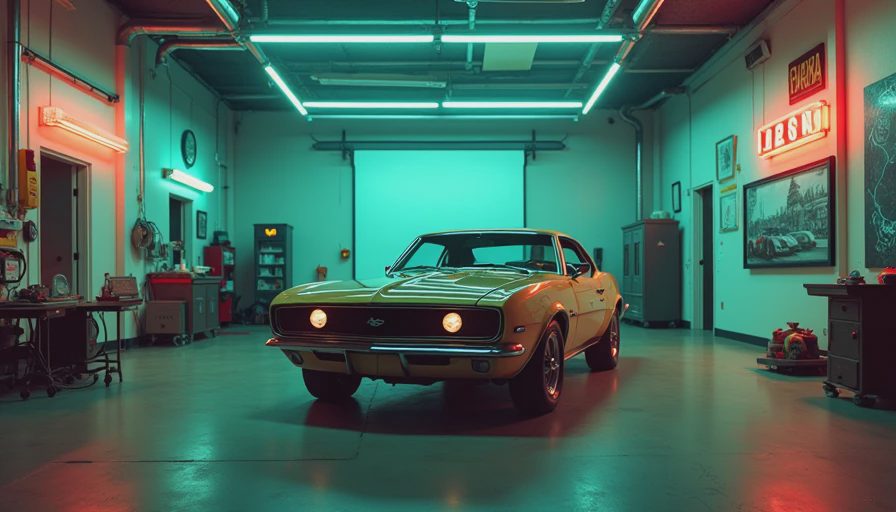
The 1968 model year also has its own visual cues. The front vent windows disappeared, and the side glass became a cleaner one-piece design. The grille, parking lamps, rear quarter details, and trim differ from 1967 and 1969 cars. Those changes help identify the year, but they do not prove the car left the factory as a Z/28.
How to inspect one before buying
Start underneath. Rust in the rear frame rails, floor pans, trunk floor, and torque boxes can turn a pretty car into a structural project. A skim coat of filler over bubbling quarter panels is not a repair. Bring a small magnet, flashlight, inspection mirror, and a paint-thickness gauge if you have one. Look for uneven gaps around the doors, fresh undercoating, and welds that do not match from one side to the other.
On a 1968 z28 camaro, inspect the engine pad and block casting carefully, but do not treat one number as a magic certificate. Engines get replaced. Transmissions get swapped. Rear axles get changed after one hard launch too many. The body tag, protect-o-plate, dealer paperwork, old registrations, and restoration photos can tell a much fuller story than a claimed original motor.
Check the suspension for sagging leaf springs, cracked bushings, leaking shocks, and worn steering components. Pull the front wheels and inspect the disc rotors, calipers, and brake hoses. A car that has sat for ten years may need a complete hydraulic system even if the pedal feels firm during a short test drive. Old fuel tanks, rubber lines, and radiator cores deserve the same suspicion.
Engine and transmission details that matter
The 302 should start cleanly when cold, hold steady oil pressure, and settle into a crisp idle once warm. Watch for blue smoke after deceleration, coolant pushed into the overflow, and rattling from the timing chain area. A little mechanical noise is normal for a solid-lifter performance engine. A deep knock that follows engine speed is not personality; it is a repair bill.
The original-style intake, carburetor, distributor, valve covers, exhaust manifolds, and accessory brackets all affect value. Reproduction parts can make a car run better, and there is nothing wrong with sensible upgrades, but a buyer should know what is original and what is simply period-correct. A modern Holley carburetor and electronic ignition are useful improvements, not proof of factory specification.
The four-speed should shift without grinding, pop out of gear, or howl under load. Replacement synchros and bearings are available, but a full rebuild plus clutch work can easily run into several thousand dollars. Listen to the rear axle on deceleration. Whine from a worn 12-bolt can mean the gears, bearings, or both need attention.
What the market is really paying
Prices for a 1968 z28 camaro swing hard because condition and documentation matter more than the badge. A rough project with questionable history can land in the $30,000 to $50,000 range. A driver-quality car with a sorted chassis, decent paint, and a believable paper trail can reach $60,000 to $90,000. Excellent restorations and documented examples can climb well beyond that at major auctions.
Do not compare a rusty project with a correctly restored car and call the difference “market hype.” Paint, bodywork, trim, glass, chrome, interior pieces, and correct drivetrain components add up quickly. A high-quality first-generation Camaro restoration can cost more than the finished car sells for. That is why buying the best shell you can afford often beats buying the cheapest car with the biggest engine story.
A clone can still be a great purchase. If the body is solid, the suspension works, and the seller prices it honestly, you might get more driving enjoyment for less money. The problem is paying documented-Z/28 money for a car assembled from a base coupe, especially when the seller uses vague phrases such as “numbers matching style.”
Insurance and everyday ownership
A 1968 z28 camaro needs insurance that recognizes its collector-car value rather than treating it like an ordinary old commuter. Standard auto insurance generally handles liability, collision, and comprehensive coverage, but the valuation method may not reflect the cost of a rare, restored muscle car. Collector policies from companies such as Hagerty, American Modern, and Grundy commonly use agreed-value coverage, where you and the insurer establish the vehicle’s value before a covered loss.
Ask about mileage limits, storage requirements, parts coverage, roadside assistance, and whether the policy allows occasional club events or pleasure driving. A collector policy can be attractive when the car is garaged and used sparingly, while regular coverage may fit better if you drive it frequently. Do not assume a stated value automatically means agreed value; read the actual policy language.
Before requesting quotes, gather restoration receipts, recent appraisals, clear photographs, the VIN, and documentation supporting the car’s identity. Quotes can differ by driver history, location, deductible, storage, and agreed value, so compare the coverage rather than chasing the lowest monthly premium. A $20 monthly saving is not much comfort if the policy cannot replace the car you actually bought.
My garage-side buying advice
If I were looking at a 1968 z28 camaro tomorrow, I would spend money on a pre-purchase inspection before spending money on a deposit. I would verify the VIN and trim tag, inspect the body from a lift, cold-start the engine, drive it long enough to reach operating temperature, and examine every receipt the owner had. If the seller refuses those basics, I would walk. There will always be another Camaro.
Buy the solid, documented car with honest flaws over the shiny car with a story that changes every ten minutes. Budget for tires, brakes, cooling-system work, wiring repairs, and seals even when the car runs well. Then get the right insurance in place before the first cruise-night drive. A good Z/28 should spend its life making noise on back roads, not sitting under a tarp while you argue with a claims department.