A 1965 wildcat buick is not a dainty little cruiser you park in the corner and dust once a month. It is a full-size Buick with serious road presence, a long hood, a wide bench seat, and enough torque to make modern traffic feel like a lawn mower convention. I have always liked these cars because they were built for covering ground, not winning a parking-lot popularity contest. If you are shopping for one, the condition underneath matters a lot more than shiny paint.
What makes the 1965 Wildcat worth owning
The 1965 model sits in a sweet spot for Buick buyers. It has the big-car comfort people expect from the brand, but the Wildcat name brought a more energetic personality than a LeSabre. The standard 401-cubic-inch Nailhead V8 gives the car plenty of low-end pull, while available performance equipment can make the package more interesting for a weekend driver. Depending on the body style, you could find a two-door hardtop, convertible, or larger four-door configuration.
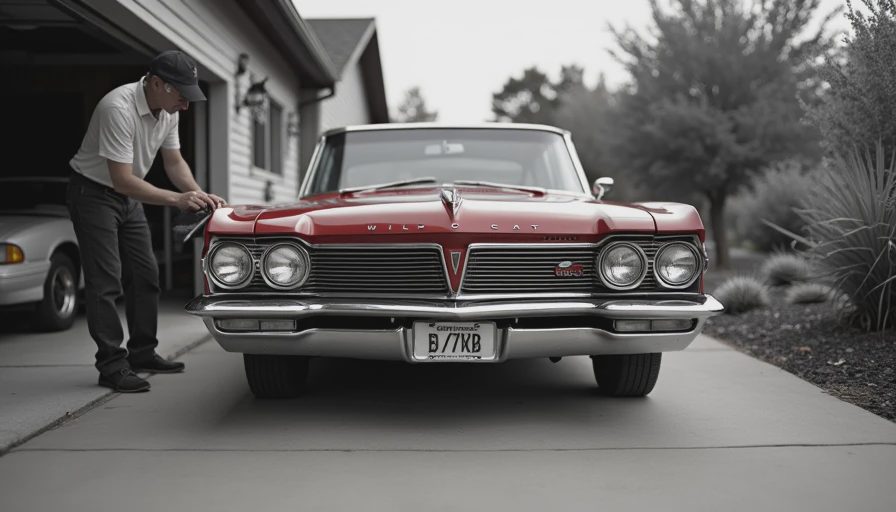
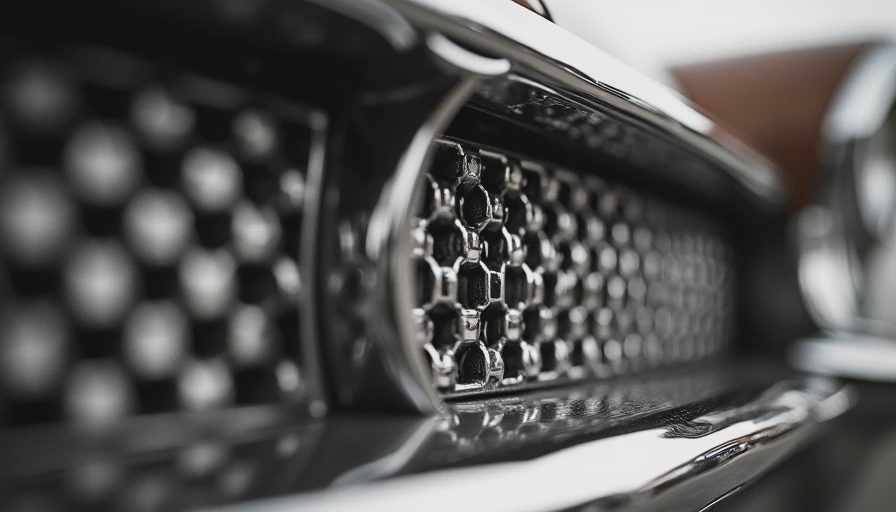
The styling is the real hook. Buick gave the 1965 wildcat buick a clean, squared-off look with broad flanks and a substantial grille. The interior is roomy enough for adults, and the trunk can swallow far more parts than your wife will appreciate when you come home from a swap meet. It is not a sports car, and pretending otherwise wastes money. The appeal is relaxed speed, big-car comfort, and the mechanical character of a sixties GM cruiser.
A good example should start easily, idle without a heavy valve-train clatter, and move through the automatic transmission without a hard bang. The brakes should pull the car down straight. That sounds basic, but many surviving cars have spent decades sitting, overheating, or being repaired with whatever was available at the time.
Inspect the body before admiring the chrome
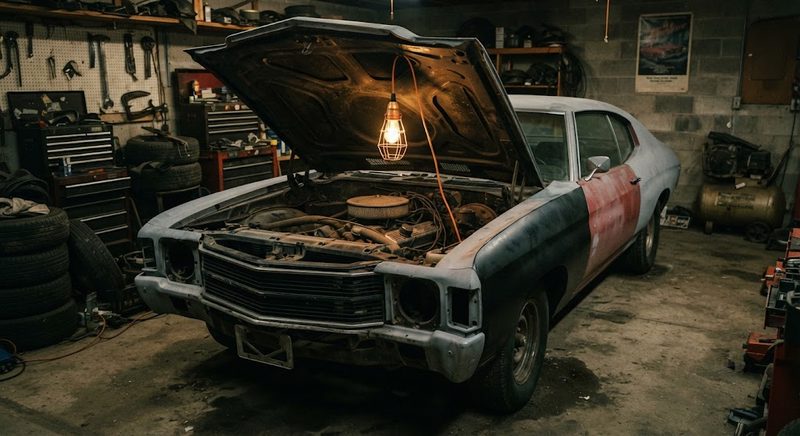
When I look at a 1965 wildcat buick, I start with the lower body and floor pans. Rust around the rocker panels, rear wheel openings, body mounts, and lower fenders can turn a decent-looking purchase into a welding project that eats an entire winter. Bring a small magnet, a flashlight, and clothes you do not mind getting dirty. Fresh undercoating is not automatically good news; it can hide patched metal and old moisture damage.
Open every door and lift the trunk mat. Check whether the doors sag, whether the trunk floor has soft spots, and whether the gaps change from one end of the car to the other. Uneven gaps can point to collision repairs, worn hinges, or a body shell that has settled. Surface rust is annoying. Structural rust is where the budget gets punched in the mouth.
Chrome and stainless trim are also worth inspecting closely. Reproduction pieces exist, but some specific moldings and emblems are harder to find than sellers suggest. A complete but dull grille can be a better starting point than a missing grille on a car with fresh paint. Price replacement parts before agreeing that a bargain is really a bargain.
Mechanical trouble that hides in a big Buick
The Nailhead engine has a reputation for durability, but durable does not mean immortal. Look for coolant stains around the water pump, oil leaks near the rear of the engine, and signs that the cooling system has been neglected. A compression test is cheap insurance before buying. Uneven readings, blue exhaust smoke, or a rhythmic knock should change the price immediately.
The 1965 wildcat buick uses old-school systems that are understandable with hand tools, but parts and labor still cost real money. A carburetor rebuild might be manageable at home. A tired transmission, cracked exhaust manifolds, or a badly worn front suspension can quickly push a project beyond a five-hundred-dollar repair.
Pay attention to steering play. Excess movement at the wheel can come from tie-rod ends, a steering box, worn idler components, or several problems working together. Brake upgrades are popular for good reason, especially if the car will see modern traffic. A properly rebuilt original system can work, but every hose, wheel cylinder, line, and drum deserves inspection before you trust it on the highway.
What to pay and where buyers get burned
Prices for a 1965 wildcat buick vary wildly because condition matters more than the badge. A rough, incomplete project can land in the low thousands, while a running driver with usable floors and a decent interior can cost considerably more. A clean restored car can climb well beyond that, especially when the restoration includes documented engine work, correct trim, quality paint, and a solid underside.
Do not pay restoration-car money for a car that only looks good in three-quarter photographs. Ask for cold-start video, underside pictures, title information, and close shots of the trunk floor. If the seller refuses a basic inspection, assume there is a reason. Transport can add $800 to $2,000 or more depending on distance and whether the car runs, rolls, and steers, so include that expense before making an offer.
A practical buyer leaves room for tires, battery cables, hoses, belts, brake work, and fuel-system cleaning. On a recently revived car, I would also budget for a radiator flush, fresh fluids, a new fuel filter, and a careful electrical inspection. Sitting for twenty years is hard on rubber even when the odometer number looks attractive.
Insuring a classic project without guessing
Insurance is part of the purchase price, not paperwork you handle after the first cruise. For a 1965 wildcat buick, ask about classic or collector-car coverage rather than automatically accepting a standard daily-driver policy. Collector policies often require limited use, secure storage, and another vehicle for regular transportation. Those restrictions can help keep premiums reasonable, but they matter if you plan to commute in the Buick.
Ask whether the policy uses agreed value or actual cash value. Agreed value sets the payout amount with the insurer ahead of time, subject to the policy terms. Actual cash value considers the vehicle’s market value after a covered loss and can create an argument when a rare trim package or documented restoration is involved. Keep photos, receipts, appraisal paperwork, and a written list of improvements in a cloud folder and in the garage.
Coverage for spare parts is another question people forget. If you have $3,000 in trim, wheels, interior pieces, or a rebuilt carburetor sitting on shelves, those parts might not be covered the same way as installed equipment. Compare quotes from classic-focused providers and mainstream companies that offer collector programs. The cheapest premium is not a win if the policy excludes the way you actually use the car.
Building one for reliable weekend miles
I would resist the urge to begin with expensive horsepower. Make the 1965 wildcat buick stop, steer, cool, and charge properly first. Replace cracked hoses, inspect the fuel tank, clean the grounds, and verify that every light works. An electronic ignition conversion can improve starting, but it will not fix a bad carburetor or a weak fuel pump.
For a dependable driver, radial tires with the correct load rating, fresh suspension bushings, and a rebuilt brake system are money well spent. Keep the original parts labeled in boxes if the car has collector value. A reversible upgrade preserves options for the next owner and makes troubleshooting easier than a hacked wiring harness full of mystery connectors.
The best first drive is not a hundred-mile blast. Run the car around the neighborhood, check temperatures, inspect for leaks, and retorque anything you touched. Then extend the route gradually. That is how you find a loose belt or overheating problem close to home instead of beside an interstate exit at midnight.
Is the Wildcat right for your garage?
Buy a 1965 wildcat buick if you want a comfortable, unusual full-size cruiser and have the patience to sort old-car systems one at a time. Skip it if you need modern fuel economy, tight parking manners, or a car that never asks for weekend attention. These Buicks reward steady maintenance, honest inspections, and owners who enjoy the process as much as the finished shine.
Before handing over money, inspect the structure, verify the title, drive the car fully warm, and get an insurance quote using the exact condition and intended use. A solid driver with ugly paint is usually a better foundation than a glossy shell hiding rust. Buy the metal, the paperwork, and the mechanical truth first. The shine can come later.