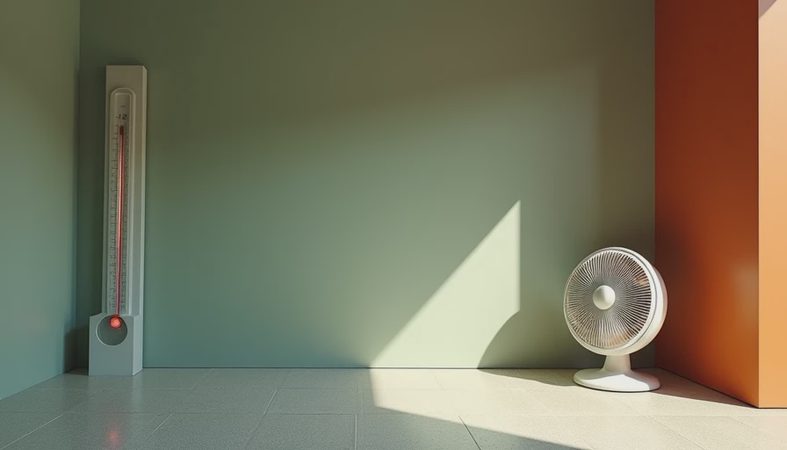
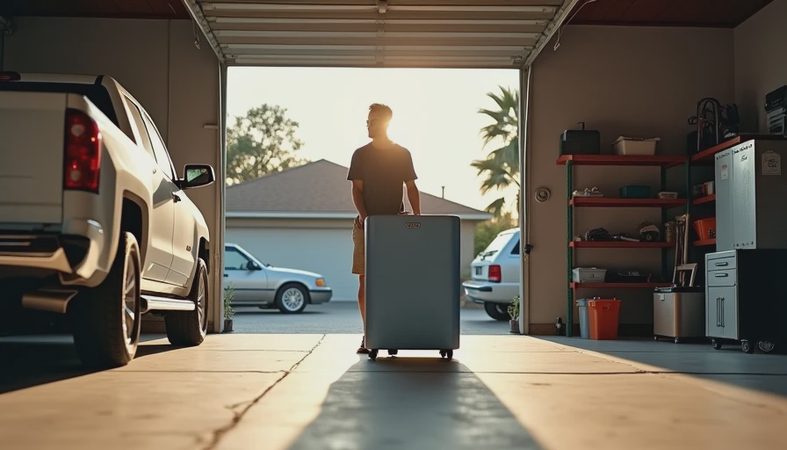
If your garage feels like a steel bread oven by noon, learning how to keep garage cool in summer will make every wrenching session safer and more tolerable. Heat is hard on you, but it is also rough on batteries, paint, adhesives, electronics, and anything made of rubber. You do not need to turn a detached garage into a refrigerated shop. You need to stop sunlight from heating the shell, give hot air somewhere to go, and move enough air across your skin to make the space usable.
I have worked in three-bay shops where the thermometer climbed past 95 degrees before lunch. The best results never came from buying one giant fan and pointing it at a closed garage door. That just stirs hot air. Start with the building, then add ventilation and targeted cooling.
Start with shade and airflow
The cheapest answer to how to keep garage cool in summer is blocking direct sun before it reaches the roof and walls. A dark asphalt-shingle roof over an uninsulated garage can transfer a tremendous amount of heat into the ceiling. If the garage door faces west, the afternoon sun can turn that door into a radiator.
Begin outside. Planting a tree is a long-term move, but a shade sail, canopy, or properly anchored awning can help immediately. A light-colored garage door reflects more sunlight than a dark one. If replacing the door is not in the budget, an exterior shade screen can reduce the blast of afternoon heat without trapping warm air against the door.
Then open the garage correctly. Hot air rises, so a low intake on one side and a high exhaust point on the opposite side create a useful cross-breeze. Open windows only if they are positioned to bring in cooler air. If both openings face the same wall, you are not getting much circulation through the room.

A box fan in a window can work as an exhaust fan, but put it high when possible and aim it outward. Pulling hot air out encourages replacement air to enter through a lower door gap or opposite window. Keep screens and grilles clean. Dust, cobwebs, and a clogged filter can cut airflow enough to make a decent fan feel useless.
How to keep garage cool in summer with fans
Fans do not lower the actual air temperature much. They cool you by moving air across sweat and skin, which is still exactly what you need when you are leaning over a small-block V8. The trick is fan placement. A pedestal fan aimed at your back while you work under the hood is more useful than one pointed at the car from twenty feet away.
For a one-car garage, a 20-inch box fan or high-velocity floor fan usually gives better value than a decorative ceiling fan. Look for a metal grille, multiple speed settings, and a motor rated for extended use. Industrial brands such as DeWalt, Lasko, and Air King offer practical options, though the cheapest model that survives a year of grinding dust can still be the right buy.
Use one fan to exhaust and another to move air across the work area if you have two windows or doors. Do not place an electrical fan where rain can reach it, and keep cords away from jack stands, oil spills, and walking paths. A fan pulling air through an open side door can also drag fumes toward you, so never use airflow as a substitute for ventilation when running an engine.
If your garage has a ceiling fan, reverse-direction advice from indoor rooms does not automatically apply here. In hot weather, you generally want air moving downward onto the work area. Confirm the fan is securely mounted; vibration from a loose bracket is not something you want dropping above a freshly painted fender.
Insulate the roof before buying an air conditioner
A bare garage roof is where many cooling efforts go to die. If the ceiling is hot enough to make the rafters uncomfortable to touch, a portable air conditioner will run constantly and still struggle. Insulation slows heat transfer, while a radiant barrier beneath the roof can reflect some radiant heat back upward.
Start with the ceiling if you can only afford one project. Fiberglass batts are relatively inexpensive, and rigid foam board can work when installed with appropriate gaps, fasteners, and fire-safe covering. Do not leave exposed foam board in an occupied garage. Building requirements vary, and many foam products need a protective thermal barrier.
Garage doors deserve attention too. Thin reflective kits can help slightly, but fitted polystyrene or polyurethane panels provide a more meaningful improvement. Seal gaps at the bottom and sides with replacement weatherstripping. A worn bottom seal lets in dust, insects, humid air, and hot pavement-level air. It also lets cooled air escape if you eventually add mechanical cooling.
Mechanical cooling that does not waste money
The right cooling equipment depends on how sealed and insulated the garage is. A portable air conditioner can lower temperature in a reasonably tight space, but its exhaust hose must vent outdoors through a window insert or temporary panel. Running the hose into the attic or a neighboring room simply relocates the heat and can create moisture problems.
A window air conditioner is often more efficient for a garage with a suitable opening. A 5,000 to 8,000 BTU unit may fit a small one-car space, but sizing depends on insulation, sun exposure, ceiling height, and air leakage. Oversizing is not always better because a unit that cools too quickly may not remove enough humidity.
Mini-split systems are the serious option for a garage used as a daily workshop. They cost more up front, often several thousand dollars installed, but they run quietly and avoid the hose problem. If the garage contains gasoline, paint thinner, welding equipment, or other flammable materials, treat cooling equipment and electrical installation as a safety project, not a casual weekend experiment.

Never run a gasoline engine with the garage door closed just because an air conditioner is running. Carbon monoxide can build quickly and has no smell. Keep a working carbon monoxide alarm near the house entry, but remember that an alarm is backup equipment, not permission to ignore exhaust ventilation.
Manage heat from the car and your work schedule
A car that just drove through traffic is a heat source sitting in the middle of the room. Radiator heat, exhaust components, brake rotors, and the engine block can keep the garage hot long after you park. If possible, leave the car outside for 30 to 60 minutes before pulling it in, especially after a highway run.
Work with the weather instead of fighting it. Open the building early in the morning, close sun-facing doors once the outside air becomes hotter, and resume full ventilation after sunset. A cheap digital thermometer placed near the workbench can show whether your changes are helping. Track the temperature at 9 a.m., 1 p.m., and 6 p.m. for a few days rather than trusting your first impression.
Heat also changes fluids and materials. Brake cleaner evaporates faster, paint flashes off quickly, and two-part epoxy can have a shorter working time. Store batteries off the concrete floor and away from the hottest wall. Keep aerosol cans out of direct sun, and give freshly painted parts a controlled, dust-free place to cure.
A practical cooling plan for the weekend
For most project-car garages, I would spend the first $50 to $150 on weatherstripping, a thermometer, and a solid exhaust fan or box fan. Next, add shade to the sunniest wall or door. After that, insulate the ceiling and garage door before spending hundreds on portable cooling. This sequence fixes the heat problem instead of masking it.
If you are learning how to keep garage cool in summer because the shop is uncomfortable every afternoon, make one change at a time and measure the result. A fan that drops your perceived heat is useful, but insulation that keeps the roof from radiating heat all night is a better long-term repair. Keep the air moving, keep combustion fumes moving outside, and do not let a hot garage rush you into a mistake under the car.