Searching for auto repair shops near me usually means the car has already started making a noise you cannot ignore. Maybe the brake pedal feels soft, the check-engine light is glowing, or your old pickup is leaking something that definitely is not water. I have been on both sides of that phone call for decades, and the first thing I tell people is simple: do not choose a shop because its sign is shiny. Choose the place that can explain the failure, show you the evidence, and stand behind the repair.
The right garage saves more than money. It keeps a small problem from becoming a ruined engine, gets your daily driver back to work, and makes an older project car easier to enjoy. Here is how I would narrow the field.
Start with diagnosis, not a cheap promise
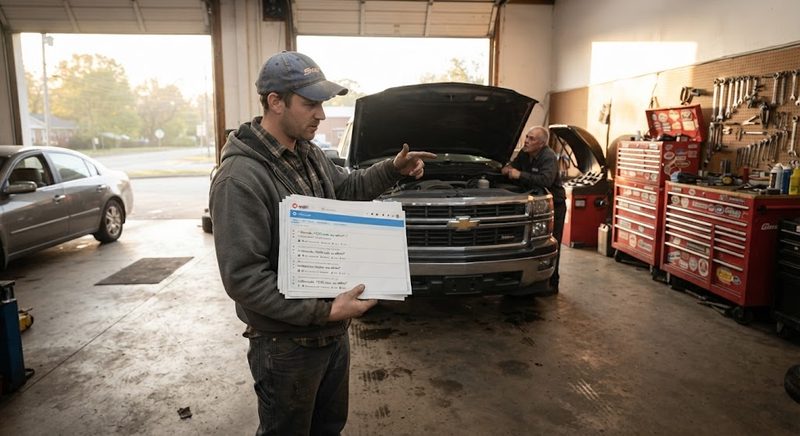
A reputable shop should want details before quoting a repair. The technician will ask when the symptom started, whether it happens cold or warm, what speed you were driving, and whether any warning lights appeared. That conversation matters. A grinding noise during a left turn points the inspection in a different direction than a vibration under braking.
Be cautious when auto repair shops near me advertise a firm price before seeing the vehicle. An advertised brake special can be legitimate, but a diagnosis cannot be completed from a license plate and a few words over the phone. A decent inspection might cost $75 to $150, depending on the vehicle and the problem. That is money well spent if it prevents replacing a good alternator when the real fault is a corroded ground cable.
Ask whether the diagnostic charge is applied to approved work. Also ask what testing is included. A scan tool reading is not a diagnosis by itself. Codes identify a system or condition; they do not automatically identify the failed part. A good technician combines scan data with voltage checks, pressure tests, visual inspection, and a road test.
How to judge auto repair shops near me
Walk into the waiting area and pay attention to the conversation. You do not need a fancy espresso machine or a wall covered in framed awards. You need clear answers. If the service writer can explain the problem in plain English and tell you what is urgent versus what can wait, that is a good start.
Look for a shop with current insurance, proper licensing where required, and technicians who regularly work on your type of vehicle. A 1968 Camaro, a 2017 Ford F-150, and a hybrid Toyota do not all demand the same tools or experience. A shop that specializes in European imports may not be the best place for a carbureted small-block, while a vintage-focused garage may not have the equipment for high-voltage hybrid service.
Reviews help, but read them for patterns instead of chasing a perfect score. Repeated complaints about surprise charges, unfinished work, or poor communication are red flags. One angry review about a repair taking longer than expected is less useful, especially when parts availability or hidden corrosion can stretch a job.
Callahan's rule is to ask for the estimate in writing. It should show labor, parts, shop supplies, taxes, and any diagnostic fee. If additional work is discovered, the shop should contact you before exceeding the approved amount.
What to ask before approving the repair
When you call auto repair shops near me, ask who will perform the work and whether the shop uses original equipment, aftermarket, or recycled parts. None of those choices is automatically right or wrong. A quality aftermarket radiator can be a smart buy, while a bargain ignition coil from an unknown source can create a second failure next week. For a restoration, an original-style part may matter more than the lowest invoice.
Ask whether the repair includes a parts warranty and a labor warranty. Many shops offer coverage for a stated period or mileage, but the details differ. Find out whether the warranty applies nationwide, whether it covers towing, and whether maintenance records are required. Save the invoice, the parts information, and the technician's recommendations.
You should also ask what can wait. A cracked serpentine belt, leaking brake line, or overheating engine deserves immediate attention. A cloudy headlamp or worn cabin filter does not. A straight shop will separate safety repairs from maintenance and cosmetic suggestions instead of bundling everything into one frightening number.
For a typical modern vehicle, common repairs can range from roughly $150 for a battery replacement or basic sensor diagnosis to more than $2,000 for suspension work, air-conditioning repairs, or major engine components. The price depends on access, parts, rust, and labor time. The cheapest estimate is not automatically the cheapest repair.
Independent garage or dealership service department?
A dealership has direct access to factory service information, brand-specific scan tools, and technicians who see the same models every day. That can be valuable for warranty work, software updates, recalls, and complicated electrical faults. Dealership labor rates are often higher, though, and routine maintenance may cost more than it needs to.
An independent garage can be more flexible and may know the common failures of older vehicles better than a general service counter. You may deal with the same service writer from one visit to the next, which makes communication easier. The important question is not whether the sign says dealer or independent. It is whether the shop has the equipment, training, and honesty your car requires.
For a project car, ask about storage, parts sourcing, fabrication, and the shop's experience with incomplete or modified vehicles. Do not bring a heavily modified Chevelle to a place that only changes oil on late-model commuters and expect a smooth handoff. Tell the mechanic what has been changed before diagnosis begins.
A smart first visit
When auto repair shops near me are unfamiliar, I start with a modest job. An oil change, tire rotation, brake inspection, or pre-purchase inspection gives you a chance to evaluate communication and workmanship without handing over the keys for a $4,000 repair. See whether the shop documents the vehicle's condition and returns it clean enough to recognize.
Bring a written symptom timeline. Include recent repairs, dashboard warnings, unusual smells, and any parts you already replaced. If you have scanned a code at home, share the code but do not insist on a specific fix. Mechanics work faster when they receive useful information rather than a diagnosis copied from a forum.
Before leaving, confirm the next step. You should know whether the car needs testing, an estimate, or authorization for repair. If the shop cannot explain what happens next, keep calling.
When auto repair shops near me are worth returning to
The garage worth keeping has three habits: it diagnoses before selling, documents what it found, and tells you the truth about risk. It will not promise that an old vehicle will behave like a new one, and it will not pretend every noise requires an engine rebuild. It will show you a worn belt, a leaking seal, or a failed sensor when practical, then explain the repair in terms you can use.
A good relationship also works both ways. Show up on time, approve or decline work clearly, and do not demand that a technician install a part you bought online unless the shop allows customer-supplied parts. Some garages refuse those jobs because they cannot warranty unknown parts or guarantee fitment. That policy is reasonable.
The next time the truck starts ticking or the sedan pulls under braking, slow down before choosing the first search result. Compare two or three auto repair shops near me, ask direct questions, and request a written estimate. The right mechanic is not the one who talks the biggest game. It is the one who finds the real problem, charges fairly, and sends you down the road with a repair you can trust.