I've walked into hundreds of garages over the years. Customer garages, neighbor garages, garages I was invited to see because somebody wanted to show off their new epoxy floor. And the thing that hits me every time isn't the cars inside — it's how the space is being punished.
A garage is not a shed. It's not an overflow closet. It's not the place you store broken furniture until you figure out what to do with it. A garage is a room with a job to do — housing your car, housing your work, and keeping both of them alive. When you misuse the space, the car suffers, the tools suffer, and eventually the building itself starts to fail.
Here are the things I wish people would stop doing to their garages, based on what I've seen roll through my three bays and what I've had to fix because the garage made the problem worse.
Stop Treating It Like a Storage Unit
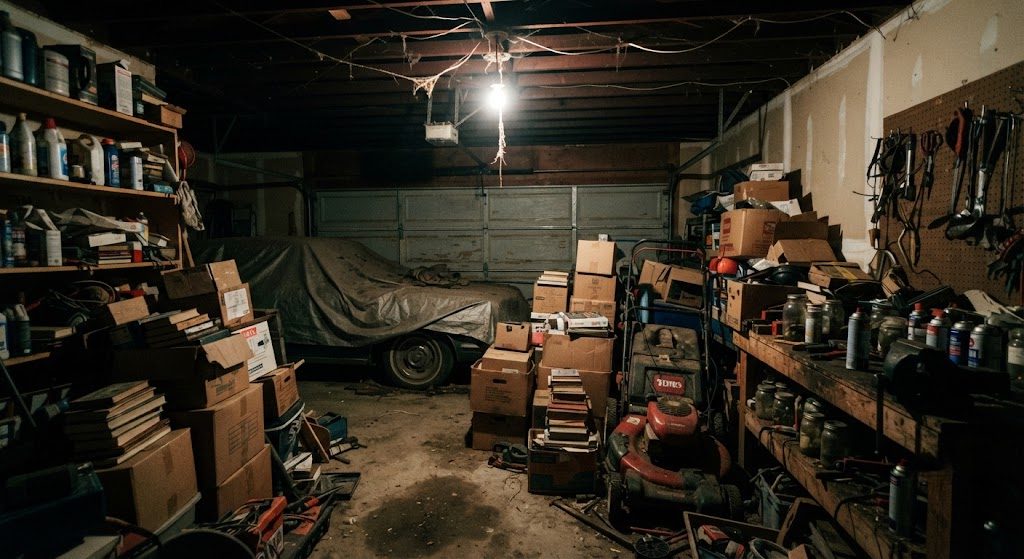
The number one thing I see is a garage so full of boxes, holiday decorations, and old furniture that the car hasn't been inside in years. If the car lives in the driveway, the garage has failed its primary purpose. But the problem goes deeper than parking.
Cardboard Boxes Are a Moisture Magnet
You stack cardboard boxes on concrete, the concrete sweats, the cardboard wicks up moisture, and suddenly you've got mold growing on your Christmas ornaments and a damp, musty smell that never goes away. Worse, that moisture migrates to anything metal nearby — tools, car parts, the bottom of your tool chest. I've pulled wrenches out of drawers in a garage like that and found surface rust on chrome that was clean six months earlier.
Clutter Blocks the Workflow
A garage should have clear zones: parking, working, storage. When clutter spills into the working zone, you lose the ability to do anything productive. You can't pull a car in for an oil change because you'd have to move a dresser and three bins of old clothes first. So you don't. And the car gets neglected, and the garage becomes a monument to good intentions that never happened.
Stop Ignoring Ventilation
A sealed-up garage with no airflow is a slow death sentence for everything inside it. I walk into garages in the summer that feel like an oven and smell like gasoline and stale air. That's not just unpleasant — it's dangerous.
Condensation Is the Silent Enemy
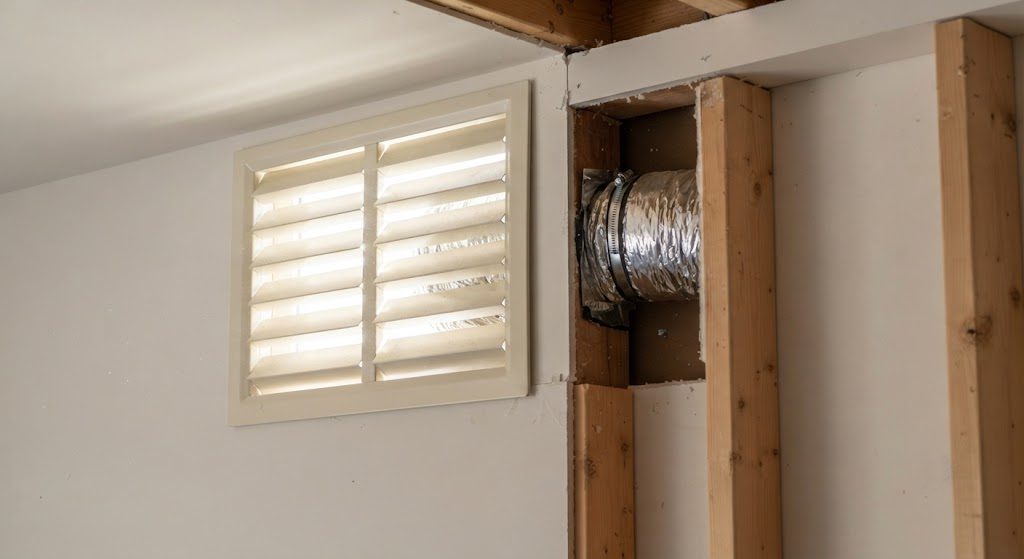
When warm days and cool nights cycle without ventilation, condensation forms on every metal surface. Engine blocks, tool chests, exposed steel on your workbench. Over time, that condensation causes rust in places you won't notice until a bolt snaps or a tool seizes. A simple louvered vent or a small exhaust fan on a thermostat makes a bigger difference than any floor coating.
Fumes Don't Just Disappear
Gas cans, paint thinner, cleaning solvents — they all off-gas. In a sealed garage, those fumes build up. I'm not saying you need an industrial ventilation system. But a window cracked open or a soffit vent installed properly can mean the difference between a garage that smells like a garage and one that smells like a chemistry lab.
Stop Using the Floor as a Catch-All
Your concrete is not a shelf. I see guys setting paint cans, oil bottles, and even batteries directly on the floor and leaving them there for months. Concrete is porous. It holds moisture. Anything sitting on it long-term is going to rust from the bottom up.
Fluids Need a Home, Not a Puddle
Brake fluid on the floor is a solvent. Oil stains are slip hazards. Transmission fluid is slicker than ice when it's on sealed concrete. Every garage needs a dedicated fluid storage area — a metal cabinet or a heavy-duty plastic shelf rated for the weight. Leo Chase learned this the hard way when a gallon of coolant leaked on his garage floor overnight and stripped the sealer he'd just applied. Keep fluids off the ground, and clean spills the day they happen.
The Perimeter Should Be Walkable
If you can't walk around your car without stepping over something, the garage is too crowded. I keep a 3-foot clear path around every vehicle bay. It gives me room to work, room to move a jack, and room to get out fast if something goes wrong. It also makes the garage feel twice as big.
Stop Treating Lighting Like an Afterthought
The single bare bulb in the center of the ceiling is the calling card of a garage that's never been taken seriously. You can't work on what you can't see. I've spent too many hours squinting at timing marks under bad light, and I refuse to do it anymore.
Shadows Are Your Enemy
One central fixture creates shadows everywhere you need light most — under the hood, inside the wheel well, on the workbench. Zone lighting fixes that. Overhead fixtures over the parking area, task lighting over the workbench, and a portable work light you can position where you need it. It doesn't have to be expensive. It just has to be thought out.
Your garage is trying to tell you something. If it's damp, dark, cluttered, and impossible to work in, it's not the garage's fault. Listen to the space. Stop punishing it. Give it ventilation, clear zones, and a floor you can actually walk on. The car will thank you, and so will your tools.